

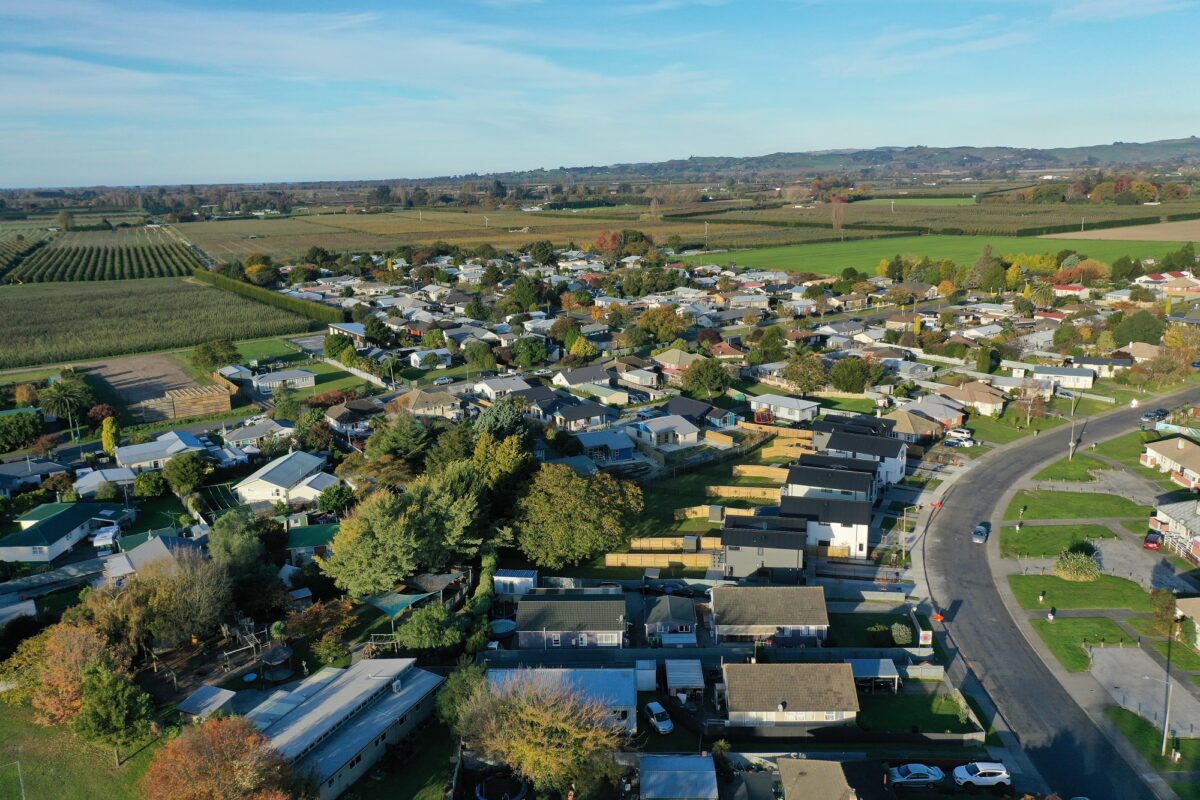
The experts and the councils have had their say in identifying the areas in Hastings and Napier best suited for future development – housing, industrial and commercial. These are identified in their just-adopted draft Future Development Strategy (FDS).
When it comes to housing, they’ve emphasised ‘intensification’ over spreading to new areas, but they have also identified new ‘greenfields’ sites, some of which are controversial.
The councils say they’ve done their utmost to protect valuable farmland – ‘versatile soils’ – from future development. But some like lobby group Save the Plains say they haven’t done enough in this regard, and object to over 300 hectares identified for development.
To underscore their argument – and to establish they are not ‘anti-growth’ – Save the Plains proposes these sites to provide ample building possibilities:
- Te Awanga above Park Hill Road.
- The northern side of Raymond Rd from Raymond Rd to where the fertile soils begin on the Plains Production Zone land.
- A huge swath of land across the expressway from the existing Irongate Industrial area, across Stock Rd, bounding Portsmouth Rd and the Hastings Golf Course and all the way to Pakipaki.
- The Havelock Hills.
- A new satellite town at Maraekakaho.
- The old “Mushroom Farm” on Brookvale Rd.
- Higher intensification within the city boundaries. “UP instead of OUT”.
- Abolish the “Rural Residential Zoned land” to “Residential Zone” by dropping the existing minimum size of 1 ha to whatever is practicable on the existing Rural Residential topography to develop. This will probably open up the potential for another 2,000 homes around Havelock North and Napier. There seems to be no practical reason why this can’t happen and it is all on unproductive land.
And the councils say they learned the lessons of the past, by not allowing building on hazard prone (e.g., flooding) land. But again, that is open to challenge. The flash point on this issue is the greenlight given by the Hastings and Napier Councils to future building on a flood prone Riverbend Road (Napier) site. NCC and project sponsors say the risks can be mitigated; the Regional Council, led on this issue by Napier Regional Councillors Martin Williams and Neil Kirton, says ‘no way’.
Here’s the latest NCC flood map showing the Riverbend area!
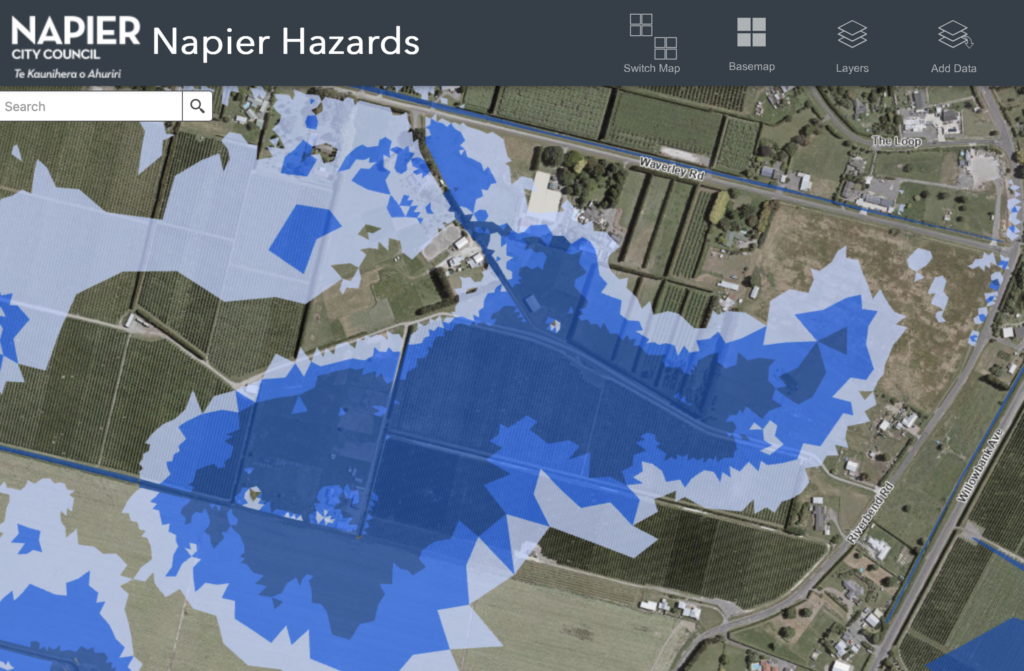
You can view the entire Napier flood map here.
So now it’s your turn to speak up.
Public consultation runs from 23 November to 23 December.
Submissions will then be heard by an independent panel in the New Year, which will make non-binding recommendations to the three councils. At that point the three councils must agree unanimously on a final Future Development Strategy.
It should be noted that after all this hullabaloo, the final FDS does not itself block or approve any specific development. All specific developments – even in preferred areas – must still go through the normal consenting process (unless they have the government’s ‘fast-track’ approval).
By indicating preferred and non-endorsed development areas (backed by substantial expert analysis), the FDS certainly raises the bar for – and hopefully dissuades – any developer seeking to build in a non-endorsed area. But they can still seek consent.
For more information and a link to where people can give feedback go to https://www.hastingsdc.govt.nz/hastingsnapierfuturedevelopment/

That photo in the article is definitely NOT of the Riverbend development area.
If they cant get a simple thing like that right it really throws shade on the entire article doesn’t it?
How many of the members of STP have a financial interest in the development sites listed? That disclosure would be very interesting.
The Council’s can’t even supply enough potable water to the people now! Let alone giving their blessings to thousands more homes for people??