

Councillors have approved the development of Napier City Council’s Annual Plan 2023/24, which includes a cyclone recovery budget of $1.5 million, to be paid for with a new Disaster Recovery Rate (DDR) of 2%.
Councils can introduce a new rate without consultation under exceptional circumstances, when costs can’t be met reasonably any other way. The DRR is in addition to the 9.7 per cent rates increase, effectively bringing the overall rates increase to 11.7 per cent.
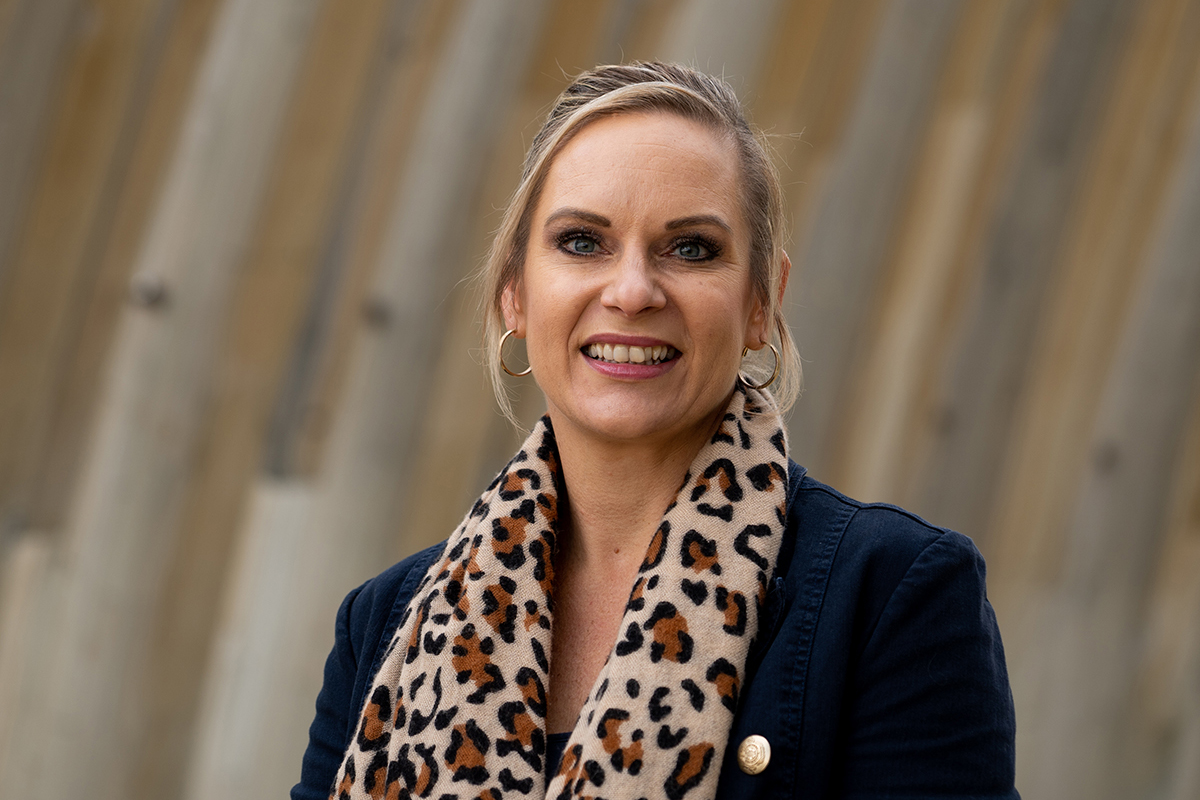
Mayor Kirsten Wise said the challenges facing the community were unprecedented and could never have been anticipated.
“We have worked really hard to keep our planned rates increase this year to the agreed cap of 9.7 per cent as outlined in our Long Term Plan. We have achieved this through cost cutting and loan funding.”
“The Disaster Recovery Rate of an additional 2 per cent was a step we had to take. It will ensure
our community is well looked after in terms of providing recovery support and services,” she said.
“We’re aiming to strike the right balance between adequately funding Napier’s needs and applying a rates increase that is manageable.”
The DRR will cover rates remissions for cyclone-affected ratepayers, resilience planning and recovery costs.
Resilience planning will ensure areas like Awatoto, home to Napier’s wastewater treatment plant, is capable of withstanding future weather events. It will also be used to increase the city’s stormwater network capacity to protect against future flooding.
Recovery costs will include funding for two new council roles, a recovery manager and an emergency management officer, whose job will be to ensure recovery efforts are coordinated with those of the HB Recovery Agency, established by Wellington after Cyclone Gabrielle.
The council was also deferring a 2% rates increase that was set to fund the housing activity deficit, however the portfolio will continue to be funded by loans. Mayor Wise said that the council was currently planning a city-wide housing strategy, giving it time to consider how existing council housing fit within it, and taking pressure off ratepayers in the midst of the cost-of-living crisis.
Some planned projects and budgets were being moved out to later in the 2021-31 Long Term Plan, as the council agreed to re-phase its capital plan. The result is a 2023/24 capital plan of $75.8 million, down from $90 million.
“It’s important to note that these projects and their budgets haven’t been cut,” Wise said. “We have simply moved them into the following year’s budget, which is the first year of our next Long Term Plan. We’ll have the chance to reconsider all projects and budgets then.”
The planned targeted rate to fund the Rangatira Revetment will be introduced for 2023/24, and applies only to rating units on the north side of Whakarire Avenue, recovering the private funding component of the revetment construction costs over the next 25 years. A new rock revetment and beach works is being built to restore and protect the Whakarire Avenue Reserve, nearby properties and significant heritage sites.
There won’t be any consultation on this year’s annual plan as there are no significant changes to what was laid out in the Long Term Plan, but the Mayor urged rate payers to visit the council website to be aware of all the issues.
Residents can contact the council directly to request community funding for special projects.
Photo supplied.
Public interest journalism funded by New Zealand on Air.
