

In regions like Hawke’s Bay, where we need to accommodate a growing population, we face an important challenge: how can we foster growth without compromising our environment?
This is a complex issue because traditionally, growth often comes at the cost of environmental degradation. However, when we take a systems-thinking approach, we can begin to identify ways to enable growth that aligns with the health of our land and community.
Globally, there’s increasing discussion around ‘no growth’ or ‘degrowth’ as potential approaches for a sustainable future. While these concepts might seem drastic, they at least encourage us to reconsider the purpose and impact of growth. In Hawke’s Bay, where horticulture and agriculture drive economic development, a ‘degrowth’ perspective could mean focusing not only on expansion but on enhancing the way we manage our resources. It prompts us to consider, for instance, the value of localised food systems that reduce waste and emissions. Our very own Nourished for Nil is a brilliant example of this.
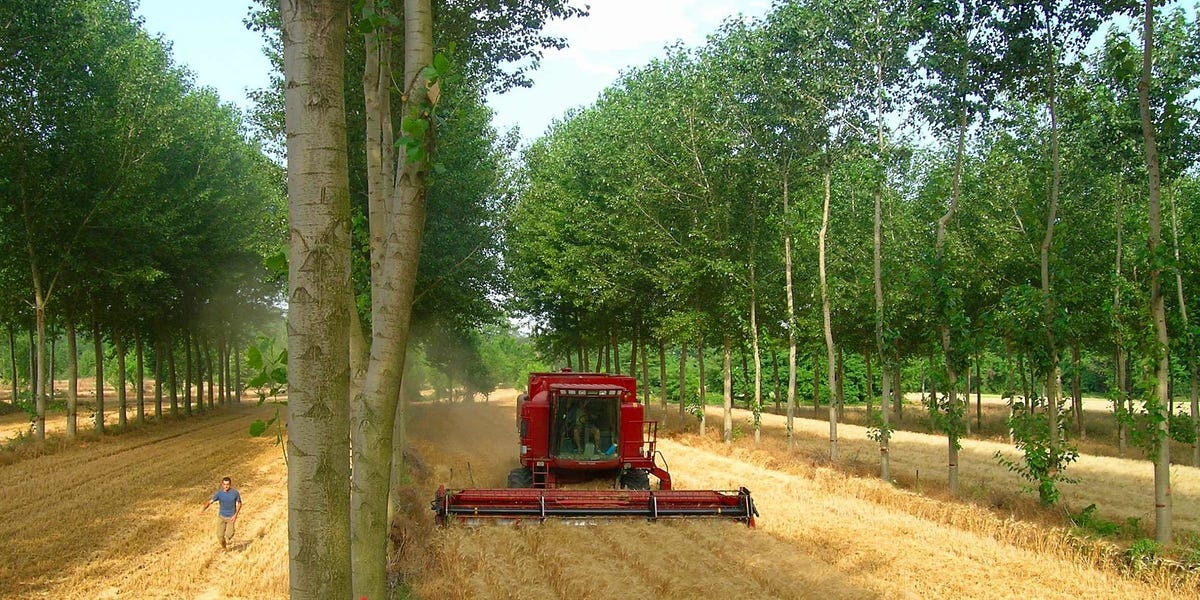
Holistic or ‘systems’ thinking allows us to rethink growth in ways that conserve resources and protect ecosystems. Imagine Hawke’s Bay as a model of sustainable agriculture—not only producing high-value crops but also incorporating regenerative biodiversity-driven farming methods like intercropping or agroforestry. This kind of thinking could extend to local logistics, with community-shared resources and local food distribution that lessen the environmental impact.
Biodiversity investment should be viewed on par with traditional infrastructure. Our Hawke’s Bay Regional Council hazard mapping highlights areas unsuitable for housing due to increased flood risk, tsunami and liquefaction and more! Instead of expanding into these vulnerable zones, we can build resilience by restoring native vegetation and enhancing biodiversity, which acts as a natural buffer, providing ecosystem stability, supporting carbon capture, and improving soil and water quality.
In Hawke’s Bay, our highly erodible hill country (around 250,000 hectares) presents an opportunity for restoration through native plantings. Replanting in these areas not only helps with soil conservation, carbon sequestration and downstream sediment loss impact but also supports habitats, water regulation, and climate resilience. By restoring these landscapes, we’re investing in a future where economic growth can coexist with environmental health. To do this we will need community input and commitment to achieve this at a large scale.
Ultimately, we need to equally value infrastructure development and biodiversity. As growth inevitably impacts the environment, we must counterbalance this with robust conservation efforts. Hawke’s Bay’s future depends on creating a sustainable framework that places environmental well-being at its heart.
Let’s embrace a model of growth that recognises the interconnectedness of our resources, communities, and ecosystems—and works to protect them for generations to come.
Sophie Sears, HB Regional Councillor

Beautifully written.
Thank you.