

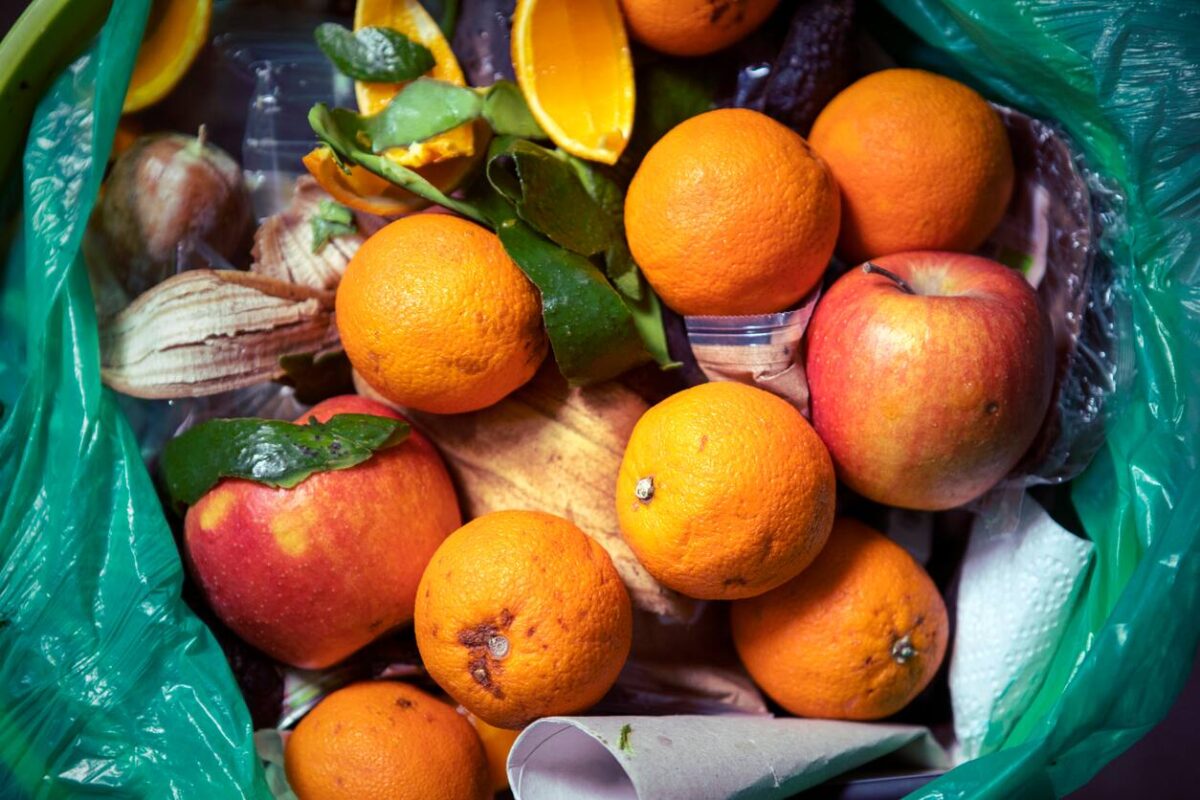
According to a survey commissioned by Rabobank (in partnership with food rescue charity KiwiHarvest) and undertaken in July, 35% of Kiwis say they are wasting less food than two years ago, with only 5% saying their food waste has increased.
Food purchased but wasted dropped from 12.2% in 2023 to 10.9% this year. Nevertheless, this still amounts to households throwing away 5.7 weeks of groceries each year! The average household weekly spend is $240, so that’s $1,368 per year … wasted. The dollar value of the waste nationwide is estimated at $3 billion.
Urban households are more wasteful at 12.4% than rural at 7.8%. Food waste decreases with age.
Of course, less waste is good news, but the reasons are not necessarily comforting. Inflation in food prices has led to less food being purchased – 31% of Kiwis say they are buying less groceries because of higher prices. Consumers are being more selective about what they buy and more sensitive about wasting it.
The top three foods most regularly wasted: vegetables at 39%, bread at 28% and fruit at 24% … bread aside, not a pleasing profile to nutritionists.
At KiwiHarvest the volume of food rescued has increased 52% over the last two years.
Only 19% believe enough is being done to educate Kiwis about food waste, given impacts across the spectrum from household budget, to health, to landfill costs.
At the ‘macro’ level, in Hawke’s Bay, Nourished for Nil rescues surplus food from supermarkets, growers, manufacturers, cafes and home gardeners. In 2024, NfN rescued over 1,000 tonnes of surplus food from going to landfill, telling BayBuzz they expect similar volumes in 2025.
The rescued food is distributed to the community at seven services a week across Hastings and Napier which are open to everyone.
More people are collecting a bag of rescued food than in 2024 (approximately 20% increase on year-to-date numbers).
NfN Founder Christina McBeth comments: “Everyone is welcome to collect a bag of rescued food – we don’t apply any eligibility criteria. This means it’s unclear whether the increase in people reflects increased need, greater awareness of preventing food waste, greater awareness of our services, or a combination of these factors.”
NfN also runs two food banks and Social Supermarkets in Napier and Hastings. These services are specifically for people facing food insecurity, and are accessed by agency referral. These services rely on donated funds to purchase food and do not affect food rescue volumes.

Thanks. We all can’t afford the current rate rises either. Perhaps we can throw those in the bin and save ourselves thousands a year that way. Remember to have your say and vote.