

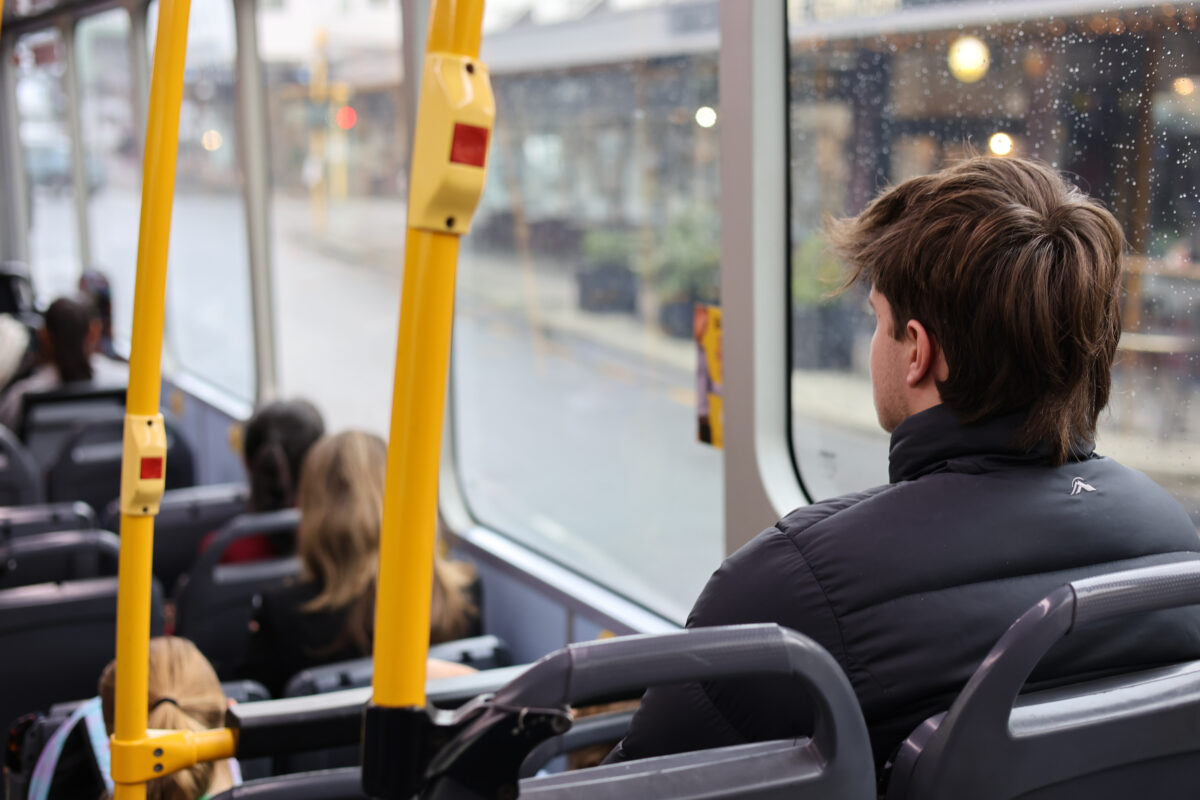
Napier and Hastings will have an all-electric urban bus fleet starting in 2027.
Hawke’s Bay Regional Council has awarded New Zealand family-owned Tranzit Group a new nine-year contract to deliver the urban bus services that will support the 2027 Public Transport Network. Replacing Go Bus, the contract is expected to start on 1 August 2027, following a transition and implementation period.
HBRC Chair Sophie Siers said the all-electric fleet, involving some 26 buses, would be a significant step for public transport in Hawke’s Bay.” It reflects one of HBRC’s strategic priorities – responding to a changing climate. Reducing transport emissions is a practical way we can act on that priority, and an all-electric urban bus fleet is an important step in that direction.”
HBRC says the new zero-emission electric buses are a direct one-for-one replacement of the existing diesel buses operating on the Napier-Hastings urban network. The fleet being replaced currently travels approximately 1.6 million kilometres per year across Napier and Hastings, consuming around 455,000 litres of fuel annually, resulting in approximately 1,220 tonnes of carbon dioxide (CO₂) emissions each year.
By transitioning to zero-emission electric buses, the Regional Council expects to significantly reduce the carbon footprint of the urban public transport network while continuing to provide the same level of service to passengers.
The approved contract price is broadly in line with the funding assumptions set out in Council’s Long-Term Plan, and the new contract price will therefore not require any change in bus fares. HBRC notes: “Of course, with an all-electric powered fleet, the public transport network in Napier and Hastings will be less exposed to international oil price fluctuations and the volatility that can accompany global fuel markets.”
Tranzit Group Managing Director Paul Snelgrove says, “Tranzit has a long-standing commitment to Hawke’s Bay, and we are excited to build on our existing presence in the region.”
“We introduced electric bus technology into New Zealand in 2018 and since have led the introduction of electric buses into other areas of regional New Zealand, so to be introducing electric buses into Hawke’s Bay is very exciting for our team and community. Our local knowledge, technical capability and commitment to clean transport will support a successful transition from diesel to an all-electric urban bus fleet and will improve the passenger experience with quieter, smoother and modern vehicles.”
Charging infrastructure supplied by Kwetta, a Napier-based charging technology company. HBRC says that while electric buses are not entirely emissions-free when the generation of electricity is considered, the buses will generally be charged overnight, when New Zealand’s electricity supply is typically sourced predominantly from renewable generation such as hydro and wind.
Napier and Hastings public transport is funded through a targeted rate paid by Napier and Hastings ratepayers, central government co-investment through NZTA, and passenger fares.
HBRC Regional Transport Committee Chair Neil Kirton commented, “This contract gives us the operational platform to deliver the next stage of public transport for Napier and Hastings, with a fleet and service model built for the future network.”

Now all we need to do is get people to use them!
I’m my opinion
We should be going for hydrogen
Because
– the power grid struggles now in colder periods
-only going to be more strain on electricity supply as more and more businesses and transport convert to electric
– totally green fuel
– make it in NZ
To list a few of the reasons