

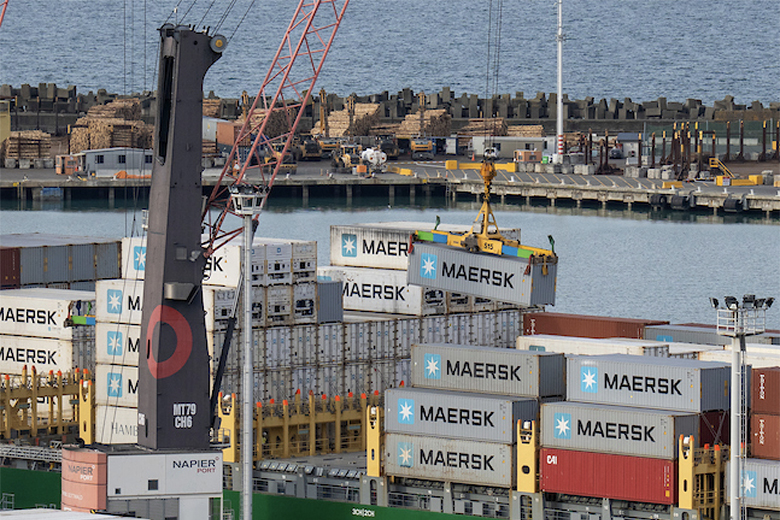
Napier Port released its half year FY25 results this past week.
Virtually all good news:
- Operating income of $78.1m represented a 10.6% gain over first-half last year.
- Net profit after tax up 40.8% to $20.2m
- Half year dividend of $12m was announced, with 55% of that going to HBRC/HBRIC.
- Will spend $25-$29m in FY25 on capital improvements, from dredging to breakwater repair to asset replacement. Or $40m p.a over next three years
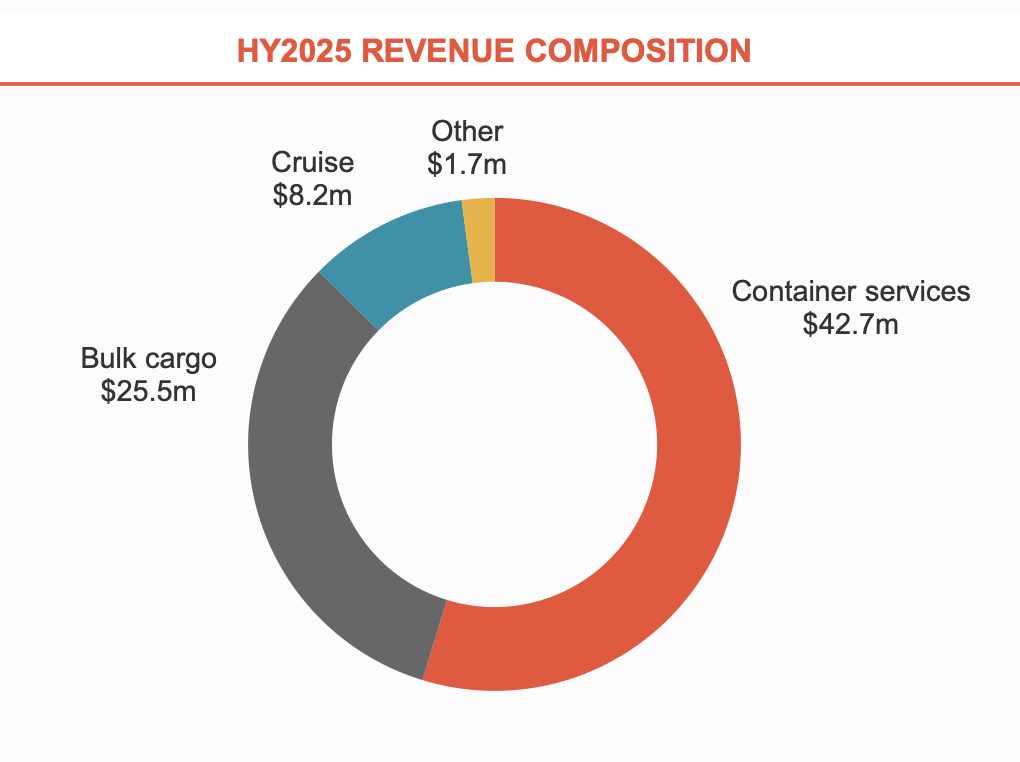
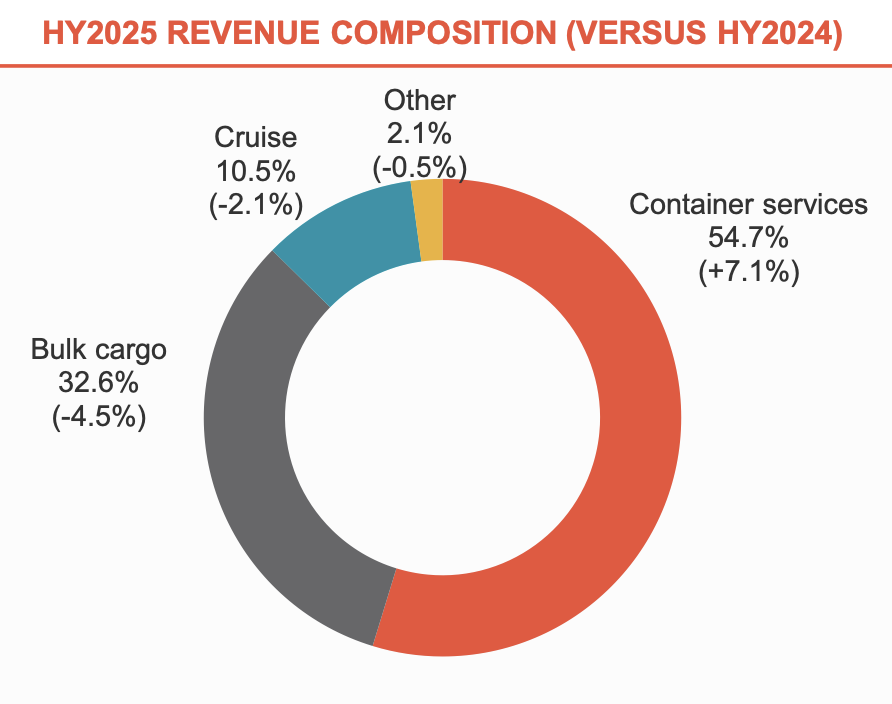
Here are some graphs telling the story.
And for serious readers, here are the presentation slides used in Wednesday’s presentation to analysts.
Any flies in the ointment?
Well, there’s the most obvious one, however speculative. As the Port put it: “Global trade challenges expected to negatively impact export markets – extent uncertain.”
But interestingly, the analysts (Forsyth Barr and Craigs Investment Partners) dug into the cruise situation.
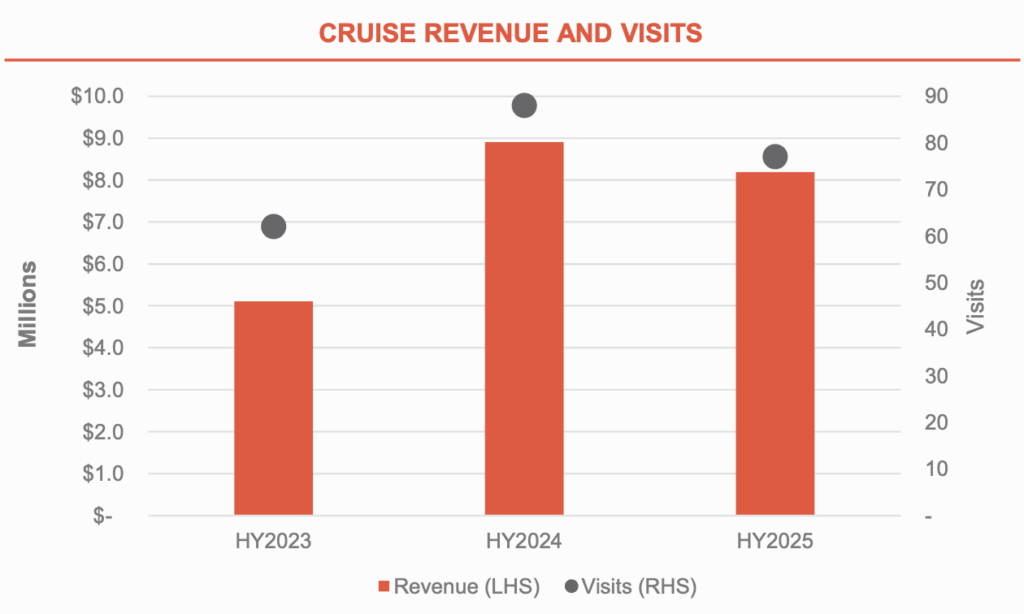
Cruise vessels, carrying 107,000 passengers, were down 11 from 88 (down12.5%) from the previous season. Consequently, cruise revenue down $0.7m to $8.2m (down 8%). The vessel loss was partly offset by average revenue per vessel increasing 5.2%.
Bookings for the 2026 cruise season are presently at 66, a number not expected to change given the advance nature of bookings.
When questioned on this by the analysts, Port officials attributed some of the past season loss to bad weather precluding dockings – 7 cancellations were so attributed, compared to a more normal 3-5 per season.
Pressed further, Port officials said cruise bookings would be “challenging” for the next 2-3 seasons.
For all NZ ports, the New Zealand Cruise Association projects a 40% decline in visits next season compared to the bumper 2023/24 season. The group says government fees, port charges and local levies, combined with global fuel price and currency shift pressures have made NZ “the most expensive cruise destination in the world”. Another reason given: NZ has strict biosecurity protections that put more burden on ships entering our ports. So the industry says NZ is looking less “welcoming”, a characterisation echoed in the Port presentation.
Regular readers of BayBuzz know that I am no fan of cruise ships. Cruise ships emit around 0.8 kilograms of CO2 per passenger mile, making them approximately four times more carbon-intensive than air travel per passenger mile. The emissions are due to the heavy fuel oil used. Additionally, cruise ships also release sulfur oxides (SOx), NOx, and particulate matter, contributing to air and water pollution. And cruise ships generate large quantities of waste, including sewage, gray water, and solid waste.
Vessel GHG emissions account for 3% of global emissions. If GHG emissions from ships (and aircraft) were counted in NZ’s annual emissions tally (presently they are not), they would account for 9% of the country’s total.
To clean up its act, the International Maritime Organisation is placing emissions charges on vessels for every tonne of emissions over certain tonnage thresholds – sort of a ‘cap & trade programme. And the industry in new ship orders is moving toward electric-powered vessels.
Until such measures take hold, the fewer cruise ships in Napier Port the better.
Our modern global economy, President Trump notwithstanding, is dependent on international trade … and transport, which comes with environmental cost. But cruise ships? This is purely for sheer entertainment.
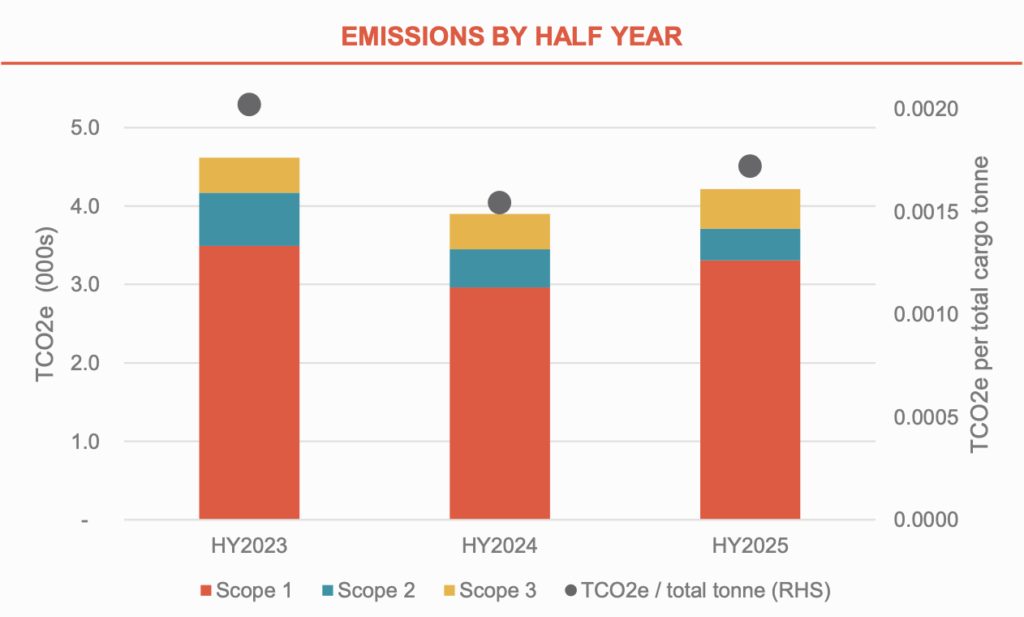
And finally, speaking of emissions, total Port emissions for half year increased 8.2% over comparable previous period.

I’m with you, Tom. The fewer floating environmental disasters we have cruising NZ’s coastline & docking at our ports, the better.
Ditto!
Of course let’s single out cruise ships and get rid of more jobs and encourage more people to leave for Australia
So easy to to make off the cuff comments that actually affects people’s lives and making a living because of job losses
Are cruise ship tourists really the ‘high value’ spenders we are after, in stead of the ‘bums on seats tours’ most of us got sick of before Covid hit us. Just saying.