

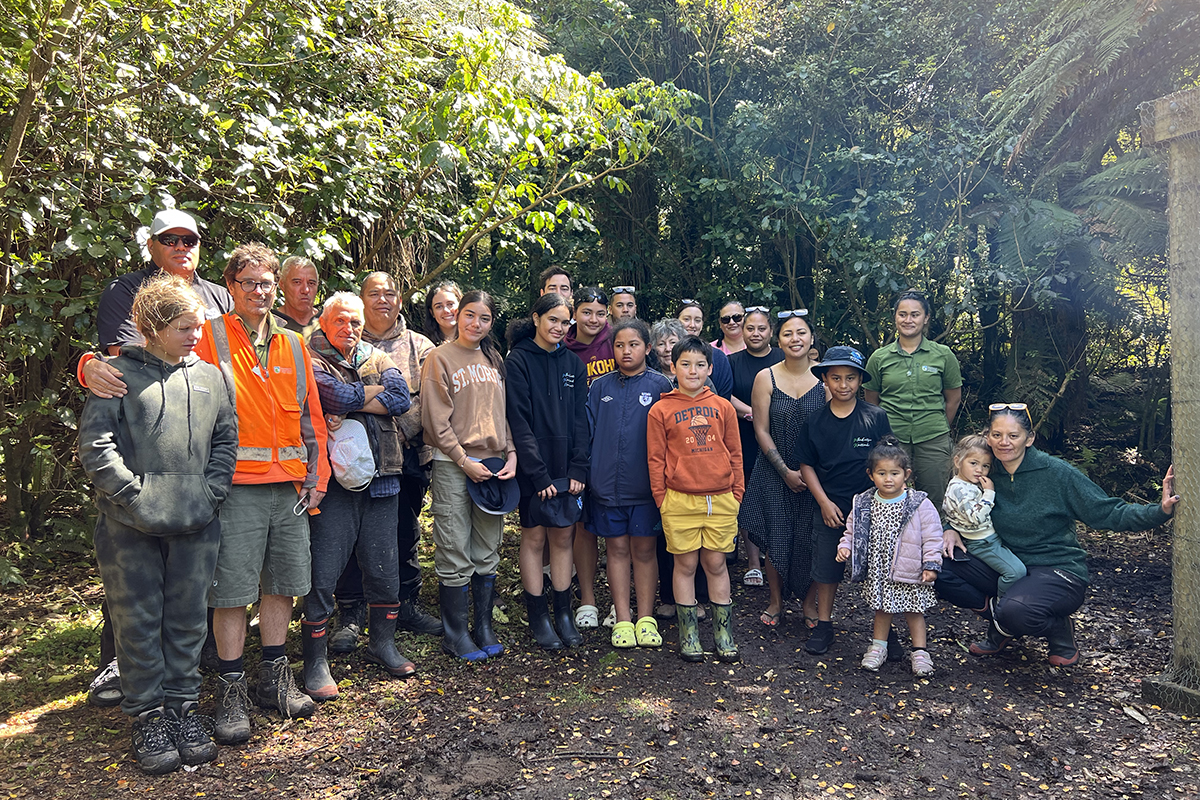
Three precious native kākā parrots were released into the wild on Maungaharuru mountain Range on 18 November.
The endemic NZ parrots were translocated from the Pūkaha National Wildlife Centre in Wairarapa to the aviary on the Boundary Stream Mainland Island in mid-October. There, they were looked after by the Maungaharuru-Tangitū Trust (MTT) with support from Rayonier Matariki Forests (RMF), the Department of Conservation (DOC), hapū members and community volunteers.
“The release of the kākā builds on the incredible mahi undertaken under the Poutiri Ao ō Tāne project,” says Callum Beattie, Pou Kaupapa Here me Ngā Whakaaetanga (Senior Consents and Policy Analyst) at MTT.
Poutiri A ō Tāne is 12,800 ha located 60km north of Napier with Boundary Stream Mainland Island at its heart. The project aims to support native species to return to and flourish within the Maungaharuru-Tūtira catchment and eventually all the way to the moana.
Significantly this is the first MTT-led translocation to occur on Maungaharuru and it helps pave the way for more hapū-led translocations of birds to the area. MTT has previously worked with DOC on the translocations of kākā, tītī (Cook’s petrel) and kōrure (mottled petrel) to Maungaharuru. In 2021, the Hapū celebrated the first tītī chick hatched on Maungaharuru in hundreds of years.
“Leading this translocation has provided MTT with experience that it can apply to future translocations of manu to Maungaharuru, and we are currently exploring options for further translocations of tītī to the maunga,” says Callum Beattie.
MTT represents a collective of hapū including Marangatūhetaua (also known as Ngāti Tū), Ngāti Whakaari, Ngāi Tauira, Ngāti Kurumōkihi, Ngāi Te Ruruku ki Tangoio and Ngāi Tahu. Their marae is at Tangoio, SH 2, approximately 20 km north of Napier.
The deed of settlement between the Maungaharuru-Tangitū Hapū and the Crown records just how significant the birdlife on the maunga was and is to the hapū:
Oral tradition recounts the migration of the waka Tākitimu southwards, and a tohunga (high priest) of the waka, Tupai, who cast the staff Papauma high into the air. Papauma took flight and landed on the maunga at the summit of Tītī-a-Okura, at a place called Tauwhare Papauma.
Papauma embodied the mauri of birdlife. The maunga rumbled and roared on receiving this most sacred of taonga (treasures), and the maunga was proliferated with birdlife. Hence the name, Maungaharuru (the mountain that rumbled and roared). It is also said that the mountain roared every morning and evening as the many birds took flight and returned again to the maunga.
The ability for continued translocations of manu to Maungaharuru is the result of many years of intensive predator control. This year, MTT’s ‘Manu Tāiko’, a crew funded through DOC’s Jobs for Nature programme, have been contributing to that effort within and around Boundary Stream. Alongside the Manu Tāiko, a number of passionate hapū volunteers have also been pivotal to the success of the translocation.
“Our hapū are proud to have been involved in all aspects of the restoration of manu to the area and to continue to exercise their kaitiakitanga obligations to the taiao (environment),” says Coralee Thompson – MTT Trustee and kākā translocation volunteer.
Department of Conservation staff have provided important technical and practical expertise and the project was funded by RMF, with RMF staff and community volunteers giving their time to help MTT with this continuing kaupapa.
The three new kākā , two females, Hinemaia and Taua, and one male, Wera, were named by the three iwi/hapū that share the Maungaharuru range (the Maungaharuru-Tangitū Hapū, Ngāti Hineuru and Ngāti Pāhauwera).
The new kākā join a growing population of around 30 birds translocated into the area since 2013 and it is hoped that the increased population of kākā will attract others to the area, including from the Cape Sanctuary, the Kaweka Ranges and Maungataniwha.
MTT is looking for volunteers to help feed the birds over the next few months to help them settle on the maunga. If you’re interested in this mahi please contact Callum Beattie at [email protected] – the Department of Conservation offers free accommodation at Boundary Stream to those wanting to help.
Facts about kākā:
- The kākā is one of 3 endemic NZ parrots, (alongside kākāpo and kea)
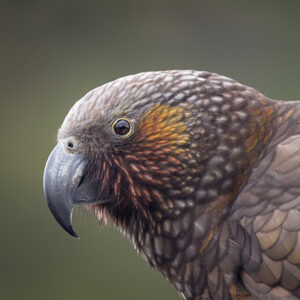
- Kākā can be identified by their browny red colouration and striking red underwing
- The national population is around 10,000, most of which are on predator free offshore islands like Kāpiti, Hauturu o Toi (Little Barrier) and Whenua Hou (Codfish Island).
- The distribution and number of kākā has been limited by:
- logging of large mature trees (used to nest in)
- competition with possums and rats for fruit and nectar
- predation by introduced mammals, especially from stoats and possums who are known to kill nesting females.
- As a result, there tend to be more males within mainland populations.
- The timing and extent of breeding aligns closely with mast years, when food is less abundant, breeding is less likely.
- Diet includes fruit, nectar and insects. Their bill is very powerful, they use it to chew the bark off trees to access the sap and to demolish rotting logs to find the bugs within.
- Kākā are hole-nesters which makes them more vulnerable to predation. They typically lay 4 eggs and can do this twice during a season.
- The oldest known wild kākā lived to be over 27 years old.
- They typically weigh between 400g and 500g, the South Island kākā is about 100g heavier.
- They have amazing personalities and are very intelligent.
See http://www.doc.govt.nz/kākā
*Boundary Stream Mainland Island is located near Tūtira north of Napier and is the largest and most intact forest tract remaining in the Maungaharuru Ecological District. It is managed by DOC and provides an unparalleled series of habitats for native wildlife. It is home to many rare and endangered species such as kiwi, kōkako and kākā, wētā and other invertebrates, and over 220 species of native plants.
Public Interest Journalism funded through NZ On Air.
