

Napier City Council has today made changes to two Annual Plan proposals following strong community feedback, reinforcing the important role residents play in shaping Council decisions.
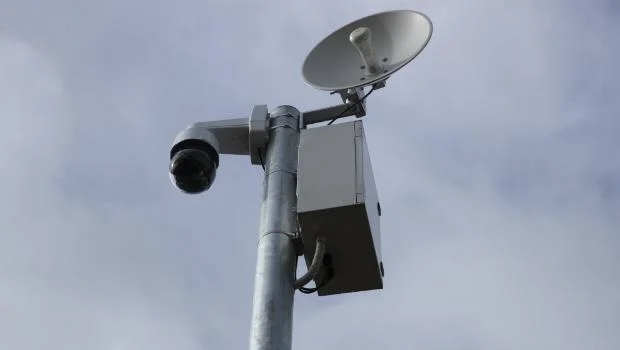
After reviewing submissions and hearing from submitters during the consultation process, Council agreed to include CCTV monitoring costs in General Rates rather than charging only inner-city ratepayers which was initially the preferred option. Council also voted unanimously to retain the current Rural Residential rating differential at 90% of the Residential General Rate, with a view to review again during the 2027-37 Long Term Plan development.
Napier Mayor Richard McGrath says the community spoke loudly and this is an important part of finalising the Annual Plan, which focuses on essential projects that keep Napier running.
“I want to thank everyone who took time to make a submission, speak to Council or share their views. Community feedback plays a critical role in our decision making and today’s outcomes are a clear example of that.
“The Annual Plan process is more than setting budgets, it’s about listening to our community and making sure the decisions we make reflect what matters most to Napier people.”
“We heard clearly from businesses in town that CCTV monitoring is a safety benefit for the whole city – residents, visitors, and businesses alike. And we agree it’s fair that all ratepayers contribute to this cost. It’s valuable to Napier’s reputation of being a safe city for the community and tourists. It also provides a valuable tool for the Police to allow them to keep our city safe,” says Mayor McGrath.
Council also responded to concerns raised by Rural Residential ratepayers about differences in the level of services they receive compared with urban areas.
““We also heard from Rural Residential ratepayers that their properties don’t receive the same access to public good services that the General Rate pays for and they must self-fund some services. We’ve listened to that feedback and will keep their rating differential lower than urban residential ratepayers for the coming year.”
Council also voted to proceed with its preferred option of using capital value to calculate transportation activity costs, which is mainly for roading.
“Some submitters thought this was about buses, but it’s really about roading costs. Our proposal is a fair way to distribute costs to road users. Changing this rate calculation to capital value means commercial ratepayers will pay a bigger share of maintaining and improving the city’s roads, reflecting their higher use and pressure on the network,” says Mayor McGrath.
For example, utility providers will pay more, reflecting the costs they cause to the roading network through infrastructure maintenance. Utilities companies are affected by this rating model across New Zealand. Currently Napier is an outlier in not using capital value to calculate rates.
The 2026/27 Annual Plan will be adopted by 30 June 2026.

I’d like to know the detail of how my rates dollar is broken down as in so many cents on this, so many on that. With a proposed 8%+ raise how is it that other places have less eg: Auckland 7%+?
I really would like to know what ‘extras’ are in there which could be deferred. If there are none and the whole increase is just to keep the lights on, where has the economic mismanagement come from?