


From Forest & Bird candidate forum, to cycle trails restored, to kākābeak recovery, to Moteo-Puketapu Bridge opening, to real-time bus info, to latest from Foodeast and Te Mata Park, to Future Development Strategy closure, to Wairoa horticulture funding, here are some announcements of note you might have missed.
Candidate Forum – HBRC
On Thursday, 11th September, 7:30p Hastings Forest & Bird will conduct a forum for candidates contesting the Heretaunga/Hastings and Ngaruroro constituencies of Hawkes Bay Regional Council.
Venue: St Andrews Presbyterian Church Lounge, 300 Market Road South, Hastings – map
Cycle trails fully reopened
The full Hawke’s Bay Trails network has reopened, marking a major milestone in the region’s recovery from Cyclone Gabrielle.

A highlight of the reopening is the newly constructed Puketapu Bridge across the Tūtaekurī River, which reconnects both sides of the popular Puketapu Loop — the final link in the network rebuild.
Following Cyclone Gabrielle, the entire Hawke’s Bay Trails network was heavily impacted. Around 70 percent sustained minor damage and were repaired within six months. The remaining 30 percent — totalling 58 kilometres — suffered major damage, including missing bridges, slips, and compromised stopbanks, which required full closures and extensive reconstruction.
Kākābeak … back from the brink?
Conservationists in Hawke’s Bay are boosting by 25 percent the collection of genetically diverse kākābeak plants available to supply seed and cuttings to a species recovery initiative bringing this glorious New Zealand native back from the brink of extinction.
Napier-based organisation The Urban Kākābeak Project is building a fifth pest-proof exclosure on land in the Maungataniwha Native Forest owned by the Forest Lifeforce Restoration Trust. One hundred additional plants, propagated from wild-sourced plants, will join an existing collection of 400 that acts as a seed-bank in a last-ditch, and so far highly successful, bid to stave off extinction.
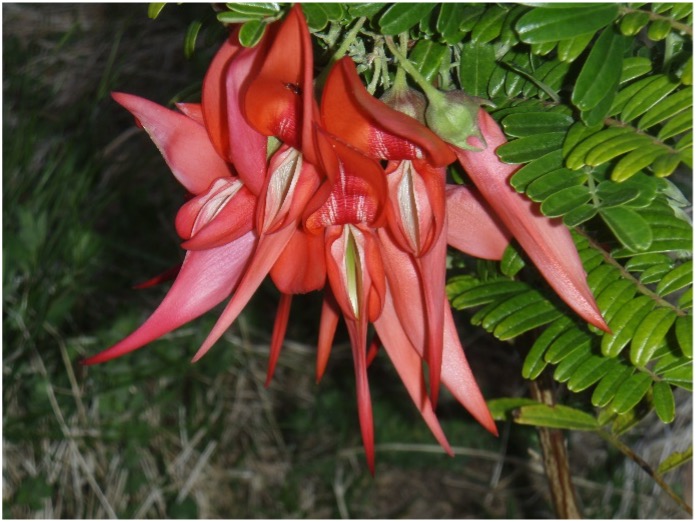
Seeds and cuttings from Maungataniwha are propagated by Napier nursery Plant Hawke’s Bay, owned and run by well-known biodiversity champion Marie Taylor.
The young plants are then distributed by The Urban Kākābeak Project to schools, marae, gardens and collections across the district.
“The point of distributing the plants is to prevent all our species recovery work with kākābeak from being undone by a single natural disaster, which is what could easily have happened with Cyclone Gabrielle when Marie’s nursery was severely flooded,” said James Powrie, founder of The Urban Kākābeak Project.
It has distributed several thousand young kākābeak, or ngutukākā, so far.
Another bridge off the list
The new Moteo-Puketapu Bridge was officially opened last week, restoring this vital connection that was destroyed in Cyclone Gabrielle.
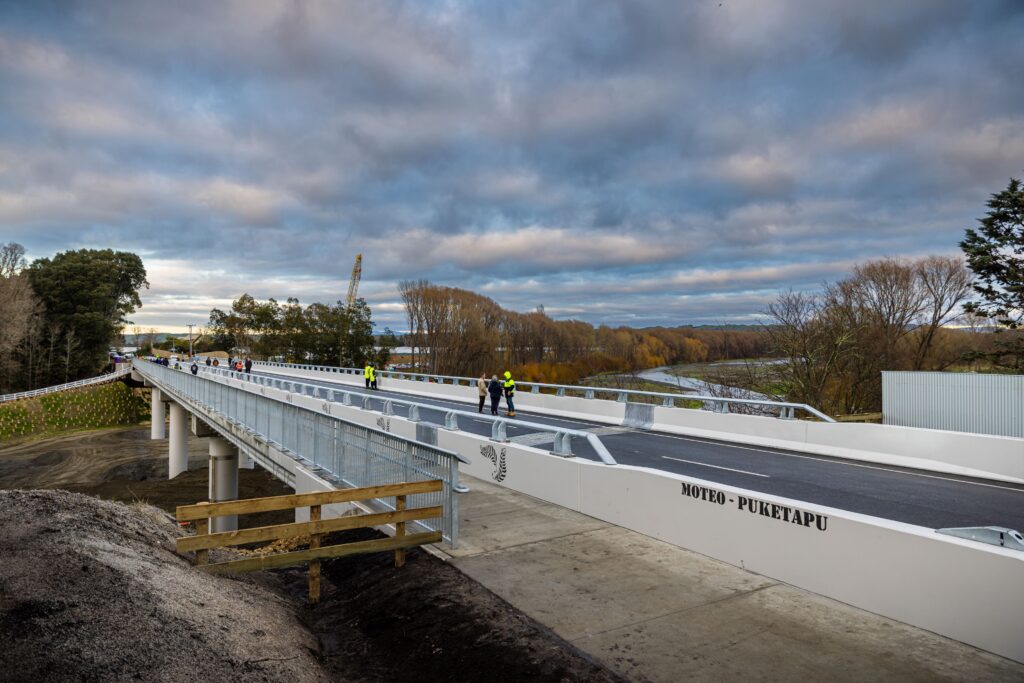
In total, 19 bridges and large culverts were destroyed in the cyclone, but the collapse of the previous Puketapu Bridge was one of the starkest examples of the immense destruction caused.
The old bridge had to be completely demolished, leaving a physical divide between either side of the Puketapu community, causing disruption and longer journeys for students going to school, people going about their everyday lives and the transportation of goods and produce around the district.
Unlike other damaged crossings where temporary bailey bridges were installed, the scale of the damage to this bridge was too great for a short-term solution.
Real-time info for bus users
Bus commuters across Hawke’s Bay are set to benefit from a significant improvement in their daily journeys, as 16 key bus stops across the region are upgraded to incorporate real-time information signs, providing passengers with live, up-to-the-minute information on bus arrival times.

The 16 signs have been strategically positioned at high-traffic intersections, transit hubs, and critical routes within the GoBay network.
“These signs will give clarity and convenience, helping people better manage their time and reducing the stress caused by unexpected delays. It’s about making public transport a more appealing and practical option for everyone in Hawke’s Bay,” says Regional Transport Committee Chair Committee Chair Martin Williams.
Newsletters of note
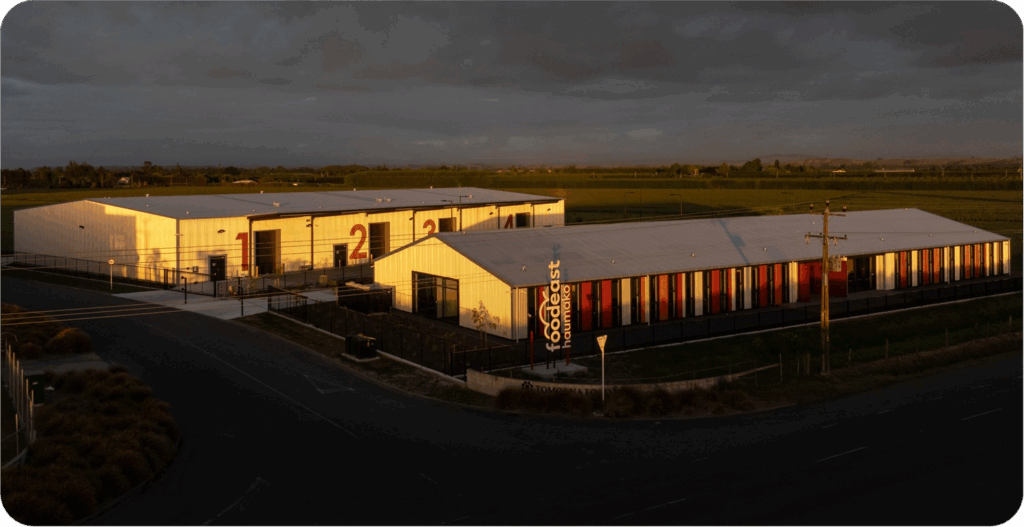
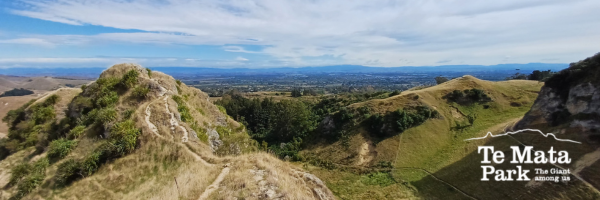
Here’s the latest reporting from Foodeast, the region’s agritech promotion centre, and Te Mata Park Trust, probably a bit more on your radar.
Foodeast … Growing Food Innovation
Future Development Strategy ratified
A new Future Development Strategy (FDS) has been adopted by Hastings District, Napier City and Hawke’s Bay Regional Council, which will help guide growth and development primarily across Hastings’ and Napier’s urban areas over the next 30 years.
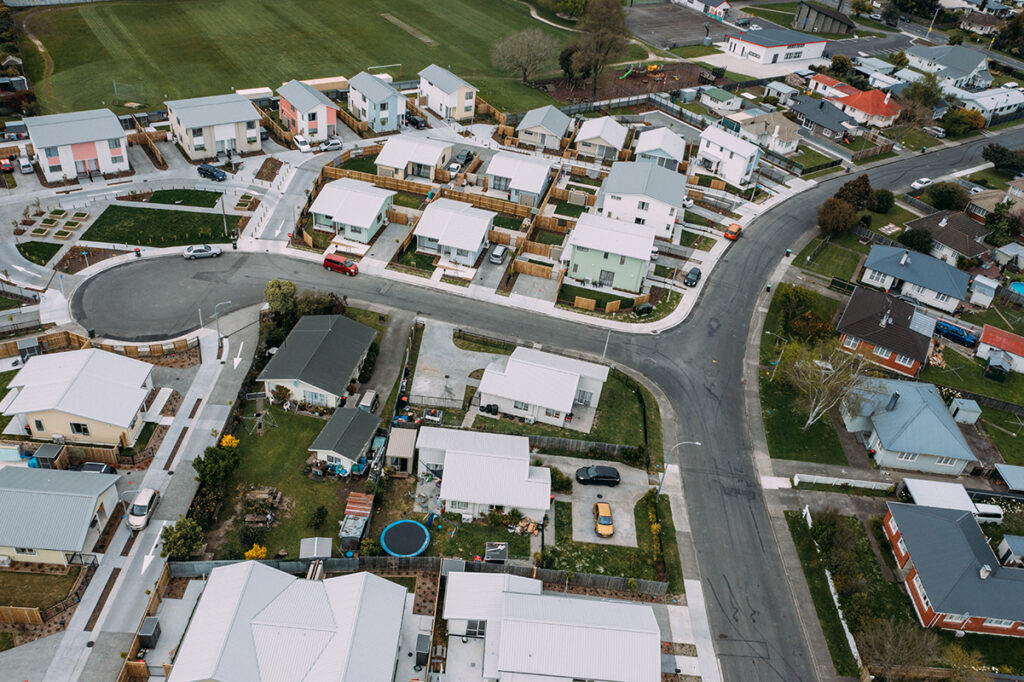
The councils were all closely aligned on the approach to managing growth, with differences limited to just three specific greenfield sites at Riverbend Rd, Middle Rd and Wall Rd.
Despite all the effort put into developing the strategy, it does not automatically green-lighted (or prohibit) any specific development. All the sites included in the FDS still have robust regulatory pathways to go through before any development happens.
The FDS now replaces the previous Heretaunga Plains Urban Development Strategy, and will be available at www.hastingsdc.govt.nz/hastingsnapierfuturedevelopment/
Unlocking Wairoa horticulture
Plans and funding for a 150-megalitre water storage facility at Whakapau Orchard in Wairoa — a game-changing investment set to unlock productivity of Māori-owned land. The development is supported by $4.29 funding from Te Puni Kōkiri through the Te Ringa Hāpai Fund.
The Government has also contributed, lending $6.83 million to Tātau Tātau o Te Wairoa, partially for the water storage as well as for a scalable post -harvest facility.
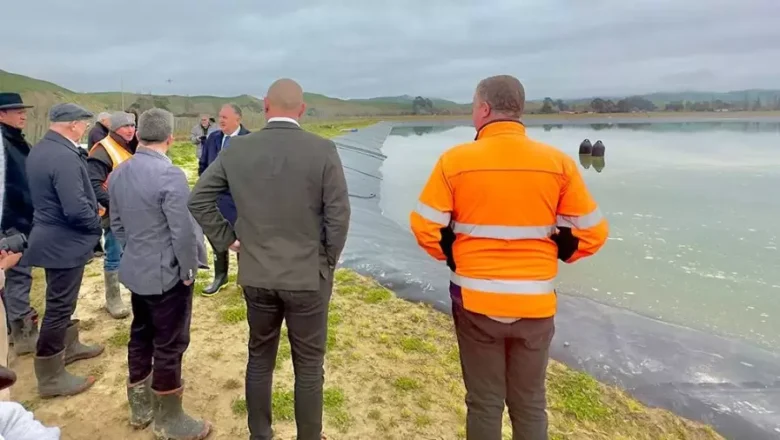
The water storage project forms a cornerstone of a long-term strategy to support Haumako — a horticultural enterprise led by Tātau Tātau o Te Wairoa — which aims to transform whenua in Wairoa into high performing sustainable horticulture that delivers both commercial and cultural returns. With water security now assured, the initiative opens up significant investment opportunities into Haumako, enabling the development of orchards, cropping, and other high-value horticultural ventures.
Robin Kaa, General Manager of Haumako, said: “Our water storage gives us security by capturing fresh water at high tide. It reduces risk, supports high-value crops, and creates a model for future Māori-led horticulture.
As a direct result of this investment, it will enable Haumako to unlock the potential to create 134 jobs as it provides resilience to current orchards and enable further developments.
