
Nothing concentrates the mind of a politician as much as a bad poll result.
The National Party seems to have gotten that rude awakening, at least with respect to healthcare, which a recent Ipsos poll found ranked second (at 38%) on the most concerned list, topped only by inflation (at 59%).
The real bad news here is that the voters most concerned about healthcare are aged 50-plus, in other words, those most likely to vote. In fact, healthcare (at 58%) tops inflation (at 49%) for those aged 65-plus.
And it gets worse, the Ipsos poll indicated that the party deemed most capable of managing this issue is Labour (chosen by 37%), as against National (at 25%).
So, no surprise then that the Government has stepped up its media releases last week on the healthcare topic.
Empowering local decision making?
First, the Government has announced a broad plan to devolve more budget and operational control over hospital practices to the local level, starting July 1.
Health Minister Simeon Brown commented: “Regions and districts will have clearer authority over workforce, resources, and service delivery, while national leadership focuses on strategy, standards, and system planning.
“This is the most significant structural change our Government is making to improve how the health system operates. It is not a return to the District Health Board model, but it will reduce bureaucracy and give hospitals greater authority to make decisions that ensure delivery of the health targets within their budgets, in a way that reflects the needs of their communities …
“Health New Zealand’s regions and districts will be responsible for delivering the health targets in their areas, with delegated budgets, the ability to deploy staff where they are needed, and the flexibility to respond faster when demand rises – helping reduce wait times and improve access to care for New Zealanders.”
I’ve seen no complaints about this change of approach, which reflects a re-awakening to the reality that those delivering service at the front line are best equipped to optimise the scanty resources available to them.
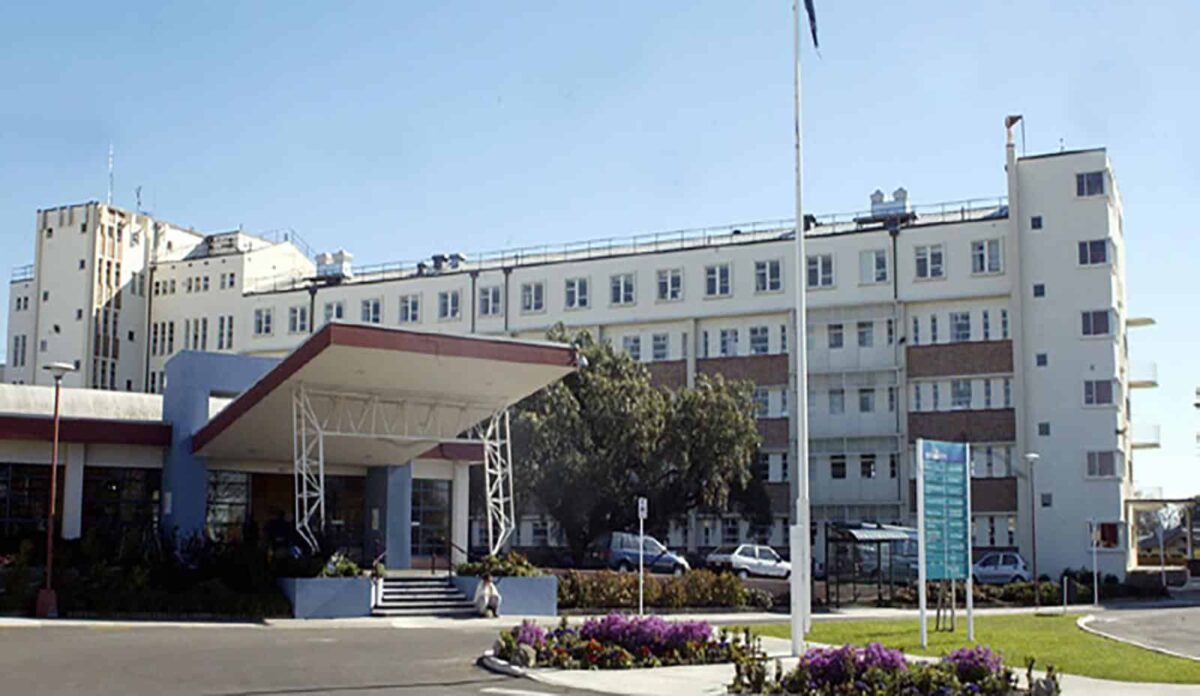
Of course, if you ask Hawke’s Bay Hospital for a comment on this, you’re still referred to Wellington. They produced these words for David Worthington, Group Director of Operations Hawke’s Bay: The new model “is not a return to DHBs, but it will empower local districts and regions to make more decisions and manage within allocated budgets. This will include hiring decisions.
“Specific examples on what devolution will mean for Health New Zealand Hawke’s Bay and the services delivered will be clearer by 1 July when the new operating model is implemented.”
Will devolution work? Informed local input into HB healthcare decision-making and performance evaluation is sorely lacking. Without that, no accountability to the community. BayBuzz will come back to this issue.
More funding … but only a “bandaid”?
Second, the Government delivered this week the election year standby … more money.
The Government just announced a $25 million funding boost to support hospitals expected to face increasing demand over the coming winter months – the main components being 378 additional staff and 71 extra beds. All the additional beds and most of the money is going the big city hospitals – Waikato, Christchurch, Auckland and Wellington.
BayBuzz sought more detail on whether any of this funding would find its way to Hawke’s Bay, but to no avail. Speaking of the nationwide 2026 Winter Plan, Chris Lowry, Executive Regional Director-Central commented: “Planning and implementation are currently underway across the country to ensure all initiatives are in place early to ensure everyone gets the right healthcare when and where they need it. More details will be provided in due course.”
I hope you feel better informed!
While grateful, clinicians are not overimpressed.
The Association of Salaried Medical Specialists used terms like “patchy at best” and “a bandaid”, noting that 378 new positions, while a step in the right direction, in the context of about 80,000 employees in Health NZ, amounted to “a little bit of deck chairs on the Titantic”.
The NZ Nurses Organisation was equally critical. They cited a recent Infometrics report that found between 2022-2024 nursing staffing were about 50,000 FTE hours short in April compared to 150,000 FTE hours short in July.
“Our hospitals are in crisis and barely keeping up with demand before the winter respiratory illnesses hit. The capacity for hospitals to meet patient need has been severely depleted after two years of Government cost-cutting and funding to an arbitrary budget.
“We constantly hear from our members that Te Whatu Ora regional health directors are deliberately delaying recruitment and still not giving local managers approval to fill vacancies,” said NZNO Chief Executive Paul Goulter.
Unfortunately, none of this increases capacity at the primary care level – the general practices where those suffering winter illnesses are most likely to present.
At least HB Hospital has gotten some new radiology equipment – new CT and MRI scanners, which are reducing waiting times for those diagnostics. Hugely important, of course, but not a factor in addressing the winter surge in need for care of winter illnesses.

Usual Government knee-jerk reaction to any adverse poll – chuck some money at it and shout it to the rooftops about how great they are. I wonder what would happen to this country if party politics were put aside and a Government made up of all parties with an agreement that policies would be agreed and kept to by all those parties without the usual crash and burn changes each time Government changed – would we have some sort of steady improvement rather than radical changes evert few years – or would politicians have collective heart attacks at having to cooperate with each other?