

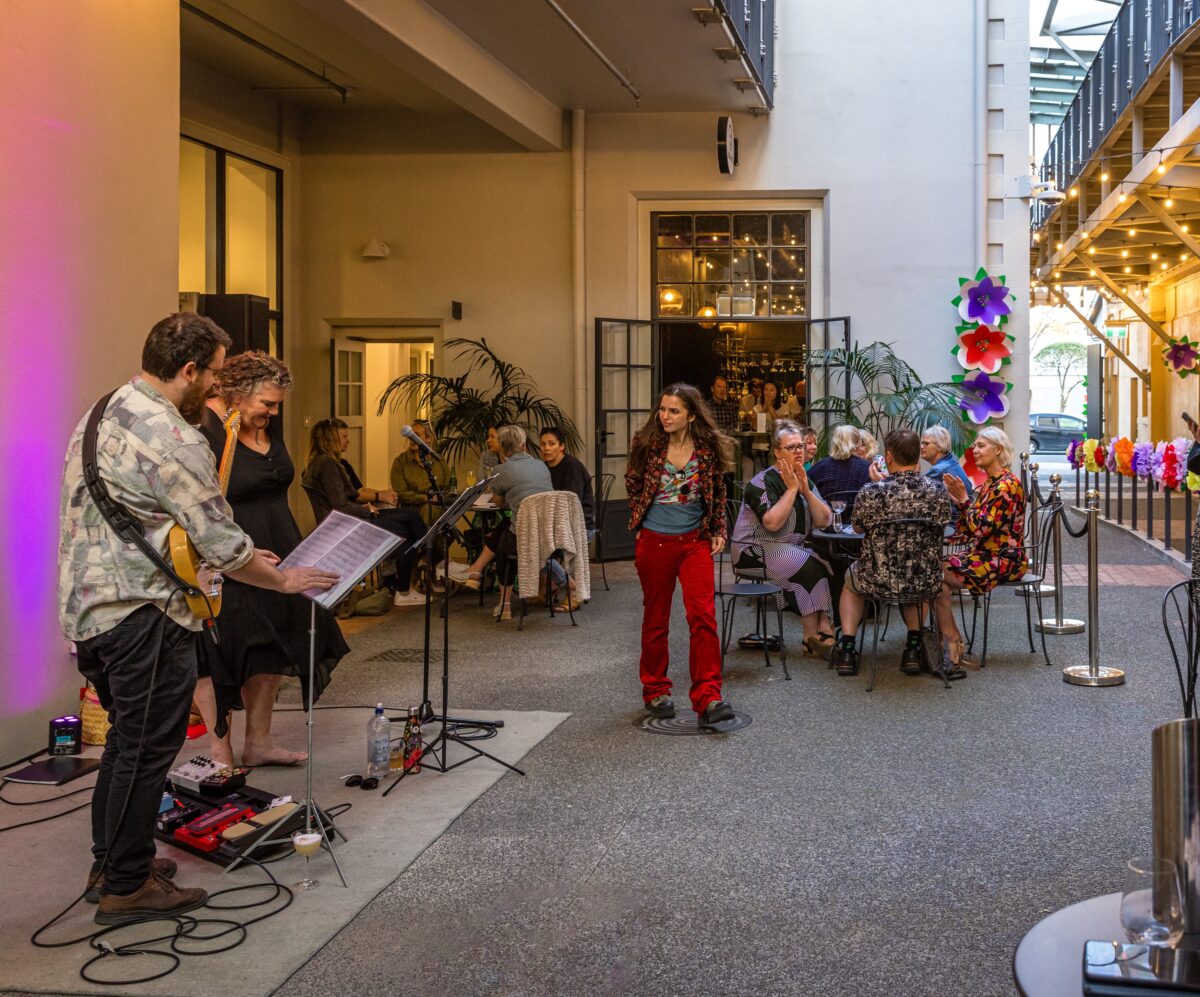
From Music Month in Hastings, to huge NCC construction project, to an innovative construction recycling model, to Napier’s Aquatic Centre reopening and Saturday library closure, to Havelock North waterways ecological studies, to Waipawa stopbank protection, to Unison youth sport sponsorship, here are some notable items you might have missed.
Music month in full swing
Hastings celebrations of NZ Music Month continue in city cafes, boutiques and local hotspots over the rest of the month, with original music taking centre stage.
On Saturday, May 10 – from 11am to 8pm – nine local venues and artists are joining forces to create the Heretaunga Hastings Music Trail. This event is designed to discover the city, new talent, and enjoy Hastings’ hospitality – all to the soundtrack of homegrown tunes.
On Sunday, May 18, from 11am to 2pm, there will be another chance to experience local tunes and maybe discover a new favourite artist and grab some brunch.
Littlestone in conjunction with Hastings District Council and Toitoi will be reimagining the laneway between the East Block bars and Toitoi on Friday, May 23. The laneway will be transformed into a pop-up, open-air club featuring an all-local DJ lineup.
To find out the time and locations of the city sessions, pop-up events and more go to https://www.hastingsdc.govt.nz/hhmusicmonth/
Huge Napier construction award
Consortium MCLStead – a joint venture between local companies MCL and Stead – has been appointed to construct Napier City Council’s new library and civic precinct.
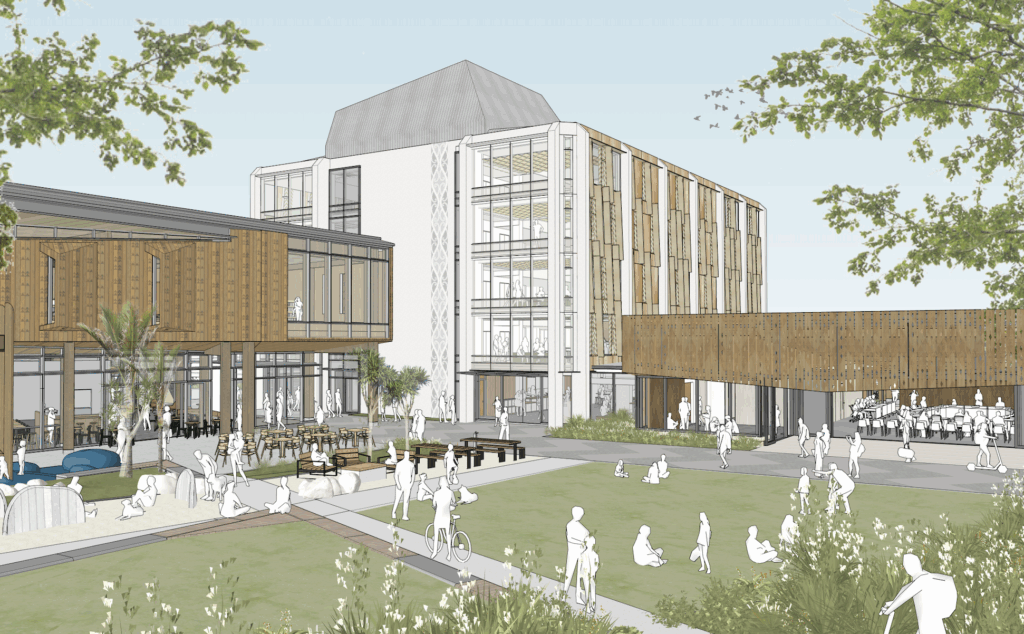
The project includes the construction of the city’s new community library hub, a centre of knowledge and innovation that will foster learning and community connection. The project also includes a new meeting space for Napier’s elected representatives, which doubles as a public meeting space when not in use by Council. The refurbishment of Council offices and customer service centre, and development of the outdoor public space surrounding the area also form part of the overall precinct.
Work is due to begin towards the end of June. Mayor Kirsten Wise says up to 300 subcontractors will be working onsite over the next two years.
MCLStead is aiming for 87% of its contract value to be delivered by locally based subtrades and workforce. They will use national suppliers when out-of-region supply and expertise are needed, but will enable them to work with local providers for installation. This will upskill the local market and provide further economic benefit to Hawke’s Bay.
Construction costs (excluding contingencies, professional fees, consenting and other costs):
· New library: $27 million
· Council governance and meeting space: $5.5 million
· Refurbished office building: $31 million
· Outdoor public space: $7 million
Construction recycling model
A new plasterboard recycling trial launched partnering Hastings District and Napier City councils, Winstone Wallboards, Central Environmental, and major local building supply merchants — Mitre10, Carters, Placemakers, and ITM. The collaborative approach is a first for plasterboard waste in New Zealand.
The idea for the trial was sparked by regional construction and demolition waste minimisation lead Geoff Gibson, who recognised the growing issue of plasterboard waste and the need for a more sustainable solution.
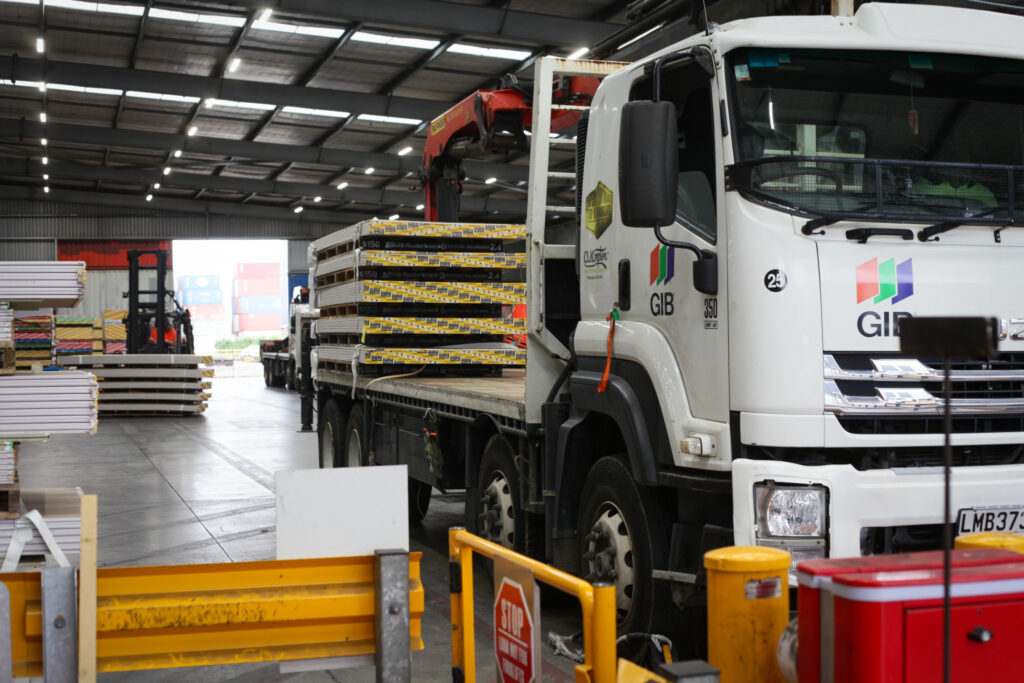
GIB® Plasterboard manufacturer Winstone Wallboards played a key role in the development of the trial. Drawing on their expertise and national experience, they’ve helped design a practical, closed-loop recycling system, where plasterboard offcuts are collected, processed, and turned back into new product, tailored to the needs of the building industry.
To ensure the trial’s long-term viability, data is being collected on tonnages and processing costs. This data will also help builders meet project waste reporting and Greenstar certification requirements.
Napier Aquatic Centre reopens
Napier Aquatic Centre has reopened to the public following a brief closure to complete final remediation work on the facility’s floor surface.
An additional anti-slip coating with enhanced grip has been applied to the floor surface. This upgrade reduces the risk of slips for swimmers and visitors, particularly when the floor is wet. Independent testing has confirmed the improved surface meets safety standards, and the facility is ready to welcome the community back.
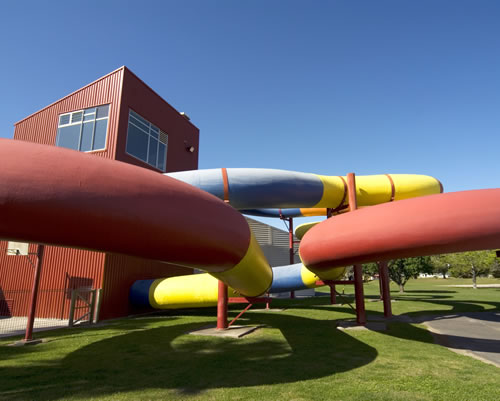
This remediation marks the final stage of a comprehensive maintenance and refurbishment project designed to extend the life of the aquatic centre by 8–10 years. The project included relining the “old pool”, repairs to walls and roofs, essential plant room maintenance, new heating and lighting, seating and accessibility upgrades, and critical safety improvements throughout the complex.
And Napier Library closes on Saturdays
Napier Library Saturday closures will start on 17 May and will continue until further notice. Taradale Library remains open seven days a week.
The change makes the best use of the current staffing levels, with more visitors to Taradale Library and a need to ensure the offering there is well resourced.
The Saturday closure highlights the current facility is short-staffed and not fit-for-purpose. It has consistently lower visitor numbers than the Taradale Library. It also reflects the broader challenge of operating a contemporary, multifunctional library that supports the complexities of modern library services and the needs of users.
Mayor Kirsten Wise says the decision was difficult, but necessary. “We simply do not have the staff numbers to keep Napier open every Saturday when far more people are at the Taradale Library and we need our staff there.”
Havelock North waterways studies
By counting native fish and aquatic insects, and measuring everything from streambed sediment to water flow, a team of engineers, scientists and ecologists is building a detailed picture of the health of the five key tributaries of the Te Karamū Stream: Herehere, Mangarau, Te Kahika, School, and Karituwhenua.
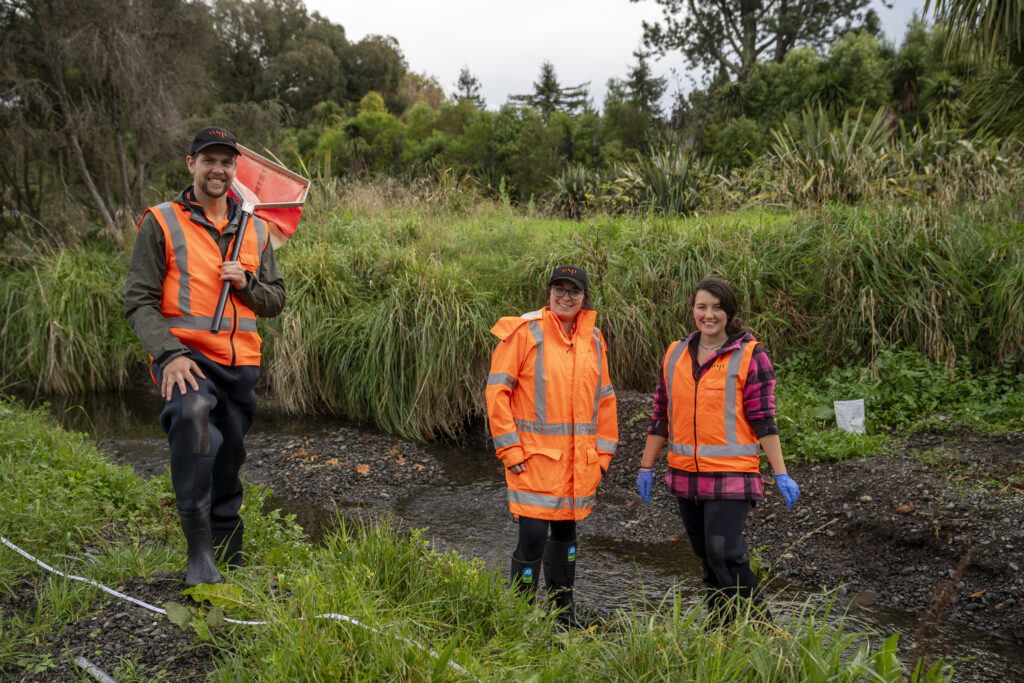
Led by WSP for Hastings District Council, this project is gathering vital ecological and erosion data to guide the long-term care and restoration of these streams following the damage caused by Cyclone Gabrielle.
The fieldwork includes cutting-edge ecological DNA (eDNA) sampling to detect which species are present in each stream, as well as macroinvertebrate sampling – counting tiny aquatic insects that are powerful indicators of water quality and pollution.
HDC has asset management responsibility for the streams and ecological management plans are a requirement of HBRC consenting to undertake activities with the waterways. Findings from this project feeding into a full catchment management plan set for completion in 2026.
Waipawa stop bank upgrade funded
CHB’s Waipawa has got a boost with the confirmation of a $9 million joint funding package from Central Government and Hawke’s Bay Regional Council (HBRC) for the upgrade of its flood infrastructure.
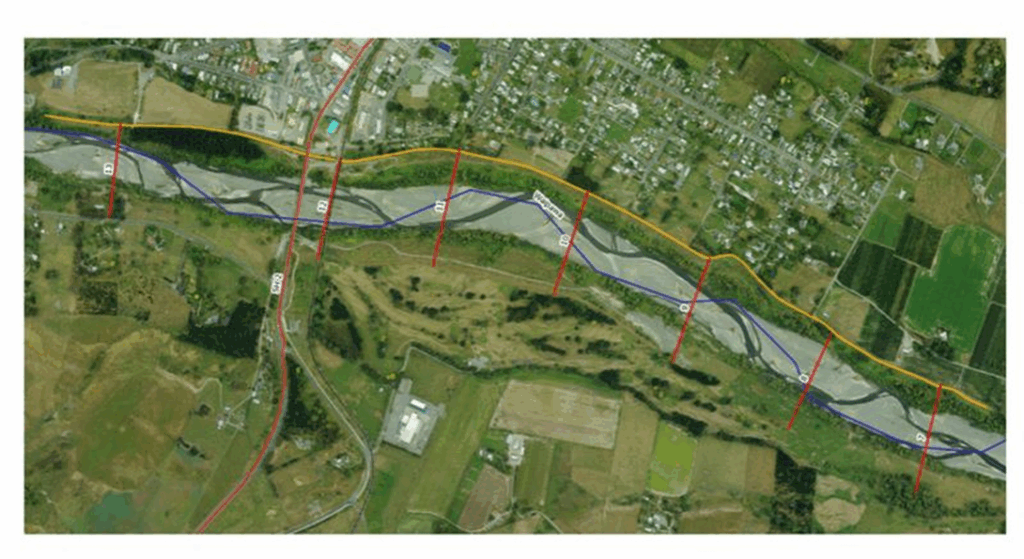
The height and width of the stopbank, which runs for three kilometres from Coronation Park to Rathbone Street along the left bank of the Waipawa River, will be increased to a 1-in-100-year flood mitigation level and will also include an additional 700mm of freeboard to meet flood infrastructure standards now being adopted across Hawke’s Bay. Wherever possible on the main river systems, vehicle and emergency access ramps will also be improved.
The upgrade project is part of Central Government’s and HBRC’s North Island Weather Event (NIWE) Resilience Programme – Level of Service Stopbank Improvement Project – a $30 million project to be delivered by HBRC.
HBRC is also working with its partners on the ‘Reimagining Flood Resilience’ project which is taking a longer-term view on the future of the Upper Tukituki and Heretaunga Plains Schemes. This project is still in the development phase but aims to engage with stakeholder groups from July 2025.
Unison supporting youth sport
Unison has launched the 17th year of its junior sports and wellbeing sponsorship through its Greatest Supporter Programme, which has grown to reach around 12,000 young people across Hawke’s Bay, Taupō, and Rotorua every year.
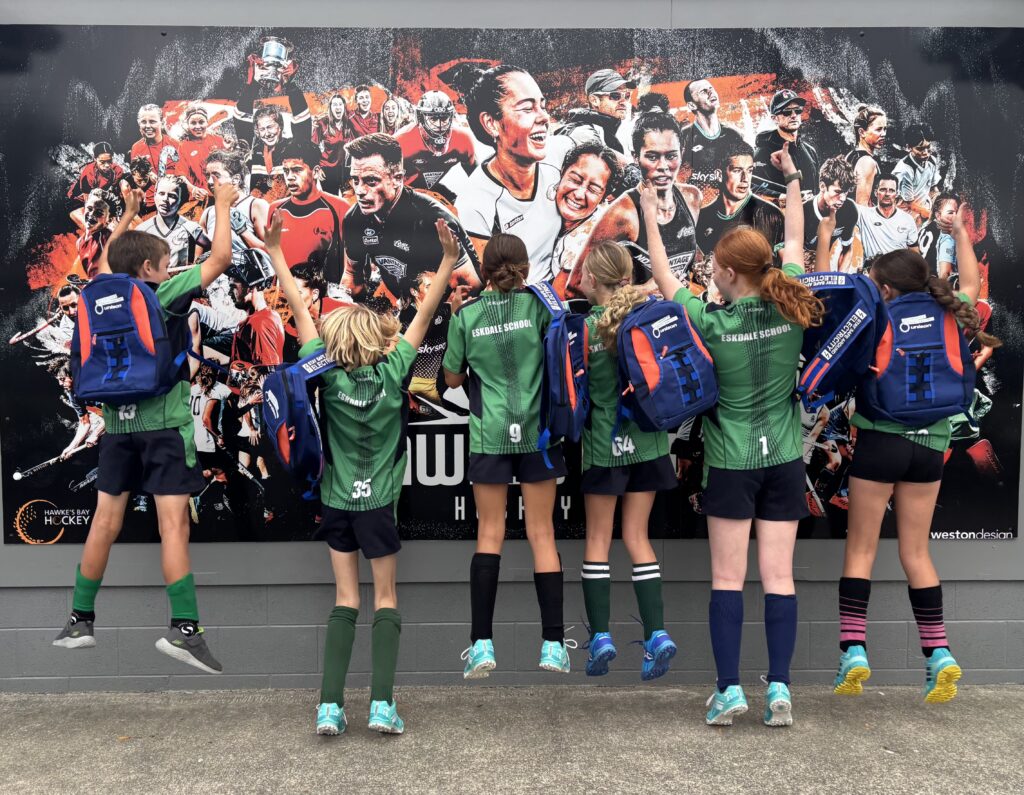
The Programme encourages kids to stay safe around electricity and to get active by providing sports equipment and funding to junior rugby, netball, hockey, and football players, as well as lake safety participants. The programme also sponsors various winter events, offering children and their whānau plenty of opportunities to get involved.
Unison’s eco-friendly Greatest Supporter kit bags, made from recycled PET, will be given to new players to carry their gear throughout their junior sporting journey. The bags are filled with stainless steel drink bottles and electrical safety messages printed on FSC certified paper.
This year, approximately 1,900 children across Hawke’s Bay and Taupō will receive the Greatest Supporter kit bags.
For more information about Unison’s Greatest Supporter Programme, visit www.unison.co.nz/greatest-supporter.
