

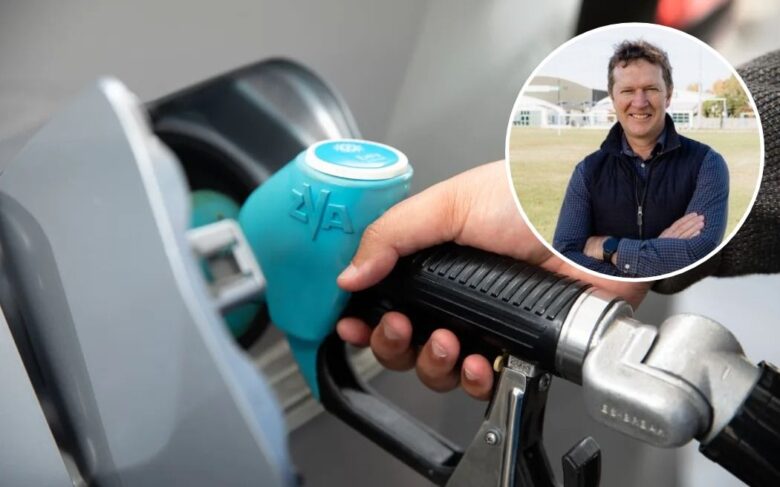
Hiking rates by 7.4% in Central Hawke’s Bay was a tough call but “batting it down the road” would leave “costs haunting our ratepayers for years to come”, the mayor says.
The fuel crisis played a big part in the decision, with councillors debating between a 6.7% rate increase, with no fuel price escalation built in, or 7.4%, with increased operational costs estimated to reach as much as $1 million.
There will also be a temporary fuel surcharge applied to burials ($60), waste processing at the landfill and transfer stations ($10 per tonne) and mileage for consenting and animal ranging.
The surcharges would be removed when fuel prices drop to pre-fuel crisis levels.
Central Hawke’s Bay Mayor Wil Foley said the council was reducing spending where it could, but the war in the Middle East was still impacting its business.
“We can’t keep batting it down the road, leaving the costs haunting our ratepayers for years to come,” Foley said. “We can’t ignore what is right in front of us. I don’t want to increase the rates. I know our community is feeling the pain, but I also don’t want the district to pay the price in the future for not doing anything, and then having to borrow our way through this.”
Foley said the rates rise decision was “not the end of this discussion”.
“We’re going to have to get innovative and creative with our upcoming long-term plan next year and as we go forward to ensure rates stay affordable,” he said.
Council has carried forward funding from the Government’s Better Off Fund and a surplus from the previous year, deferred some road and water infrastructure projects, and directed staff to identify smarter, more efficient ways of delivering services and completing work.
This is year three of the Council’s three-year plan, which forecast a 10.9% rate increase. In May this year, the council revised that to 6.7%.
A Hastings District Council spokesperson said while fuel prices increased during the first six to eight weeks of the financial year, they had stabilised and the impacts were less than forecast. They said there had been little effect from contractors’ cost changes.
“Looking forward into the 26/27 financial year, to date no additional fees on Council’s services have been introduced, with no adjustment to the draft annual plan for 26/27.”
They said Council would monitor the situation, especially capital expenditure projects and treat potential fuel price increases as an “active and dynamic risk”.
In Wairoa, rising fuel costs were impacting the Council.
But its chief executive, Matt Lawson, said at this stage it had not caused delays to Council work, and charges had remained the same. He said fuel prices would be factored into the council’s Annual Plan and the 2026/27 rates deliberations.
“Wairoa is an isolated community with limited public transport. Our industries, businesses and local communities are reliant on fuel, and we acknowledge there are many in our community impacted by the rising costs,” Lawson said.
A spokesperson for the Napier District Council said they were closely monitoring fleet usage and prioritising fuel use for essential services.
“We are reviewing contracts and continuing the transition to electric/hybrid vehicles as part of our longer-term approach. Any increases in fuel costs have been absorbed within existing budgets and as a result, the Council has not introduced any surcharges or additional fees on its services, nor deferred any planned projects.”
Hawke’s Bay Regional Council is also monitoring and managing its fuel costs. It had not delayed any work.
In April, the Government announced that NZTA would introduce monthly interim fuel price adjustments across its public transport (Hawke’s Bay Regional Council runs the region’s bus network), construction, and maintenance contracts, ensuring operators and contractors could recover rising fuel costs more quickly rather than waiting several months for adjustments.
Transport Minister Chris Bishop said at the time that public transport operators played a vital role in keeping our cities moving every day.
“This change gives them greater certainty and helps ensure services remain reliable for passengers – especially important when Kiwis are increasingly choosing to take public transport in response to rising fuel prices.”
LDR is local body journalism co-funded by RNZ and NZ On Air.


Thanks Trumpty-Dumpty!