

Health tonics, biodegradable netting clips, natural skincare, and even a device that teachers you how to fillet a fish.
These are some of the products that the six finalists of Innovate Hawke’s Bay hope to bring to market through the Innovate accelerator programme, now in its second year. Innovate is a brand of The Factory.
With other programmes in Manawatū, Whanganui, and Taranaki, Innovate’s purpose is to encourage local entrepreneurialism which sparks the local economy by growing young companies, new business and thought leaders as well as new technology.
Programme director Hal Josephson says there’s a lot of entrepreneurial activity across the regions this year.
“There has been about 150 applicants across the four. Hawke’s Bay had 46 last year and 30 this year, down this year. We think last year was the unusual year because people were home with Covid and thinking about doing something different.”
The six finalists will go through a ten-week accelerator programme to refine and hone their business idea. Accelerator programmes are for organisations that have already gotten to a certain stage, and have developed a team, and either have or are moving toward a minimal viable product.
“We run them through a variation of what’s called the lean start-up methodology – basically running through what is the product, what is the problem, what’s your solution, what’s your unique opportunity, who’s the customer, how would you reach the customer, what’s the business model.
“We take them through all of those different stages, and so by the end of the programme they’ll have a skeleton for a business plan, and then we refine a five-minute business pitch.”
Josephson said they were looking for entrepreneurs who demonstrated commitment, were willing to build a team and ideas the programme mentors would be able to add value to.
“Sometimes ideas don’t stack up. Sometimes there are gaping holes in some cases. And people start thinking how can I pivot so that it works,” Josephson said.
The mentor evaluators had a tough time coming to a unanimous selection of the six individuals who will spend the next 10 weeks developing their business idea into a plan alongside the mentors and develop a pitch.
Each finalist will have an opportunity to present their validated idea to local business leaders and angel investors on November 30 at Toitoi in Hastings. The winner will receive $5,000 in start-up cash to support their idea.
The Factory chief executive, Nick Gain, said Innovate’s proven model sets out to find those that are stuck or have a novel idea and need a bit of guidance to push forward.
“We were delighted at the quality of applications received and it was tough to select the top six,” he says.
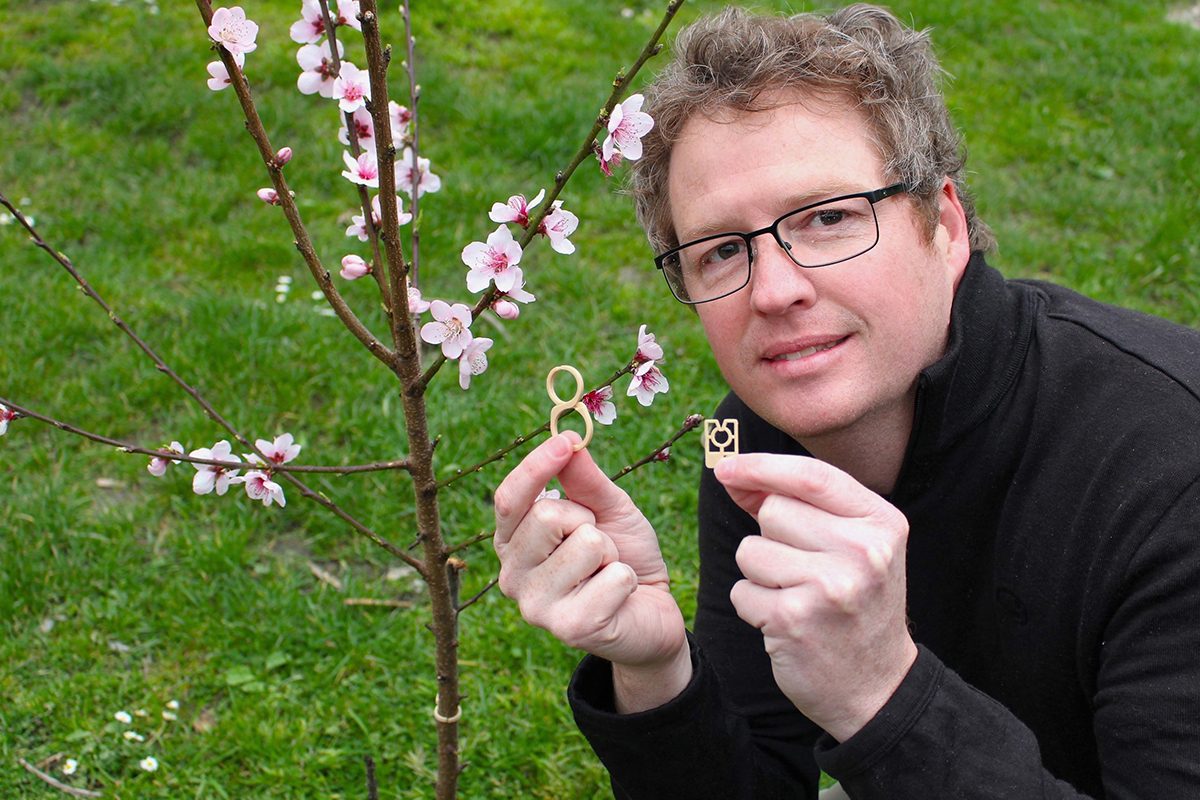
Finalist, Callum Ross, is presenting a biodegradable netting clip for the wine industry. The clip holds netting on vines to stop birds eating the grapes.
“We started with the wineries because they use millions of these in New Zealand every season. The plastic gets dropped to the ground and goes into the soil. So, we came up with a design that replaces the currently used clip and we made it out of the grape skin. We’ve been working with a local company and testing on their vineyard,” he said.
He was excited to be a finalist and said it would be a great networking opportunity and launching pad for his product, he said.
“It’s great mentoring. There is a lot of business modelling and planning that we get help with and that is hugely valuable to us at this stage.”
The programme is wholly funded by the private sector, including local sponsors Fingermark, Furnware, Rockit, Metalform, Ask Your Team, and Hawke’s Bay Tech, plus national sponsors BNZ and MediaWorks.
Finalists
Andrew Clark, Sunrayker Solar Energy Farms
Sunrayker Solar Energy Farms uses a fully vertically integrated business model to build solar energy farms all around the world using proprietary concentrated solar energy heliostats to collect and store the solar energy as super high- temperature thermal energy and then earn higher revenues by using the stored thermal energy to generate electricity during peak demand times.
Melissa Eames, Transforming You Course and Centre
Helping women overcome adversity after an abusive relationship through an online course and 12 fully self-contained houses. This aims to reduce the number of times a woman returns after escaping by providing them and their children with safe and more permanent residence with full support while they rebuild their life, self-confidence, self-worth, heal from trauma and rediscover who they are again.
Ian Herbison, The Skilly
A device that teaches people how to fillet fish allowing them to practice filleting fish as many times as they want. People can then teach other people using the device and so on and so on. Children above a certain age with supervision can also learn as well, and the device will be made of recycled plastics.
Callum Ross, RossLane biodegradable products
RossLane has developed a new netting clip for the wine industry, that will prevent plastic from going into the soil on vineyards. Made from grape skins, the fully biodegradable clips can be used more than once, and have other uses as well.
Shaleah Lawrence, Earthwoven
Combining science with nature, Earthwoven Skincare is 100% natural, naturally derived vegan-friendly, as well as cruelty-free. Using the scientifically proven ingredients cutibiome and sryicalm allows for confident claims around oil/sebum reduction.
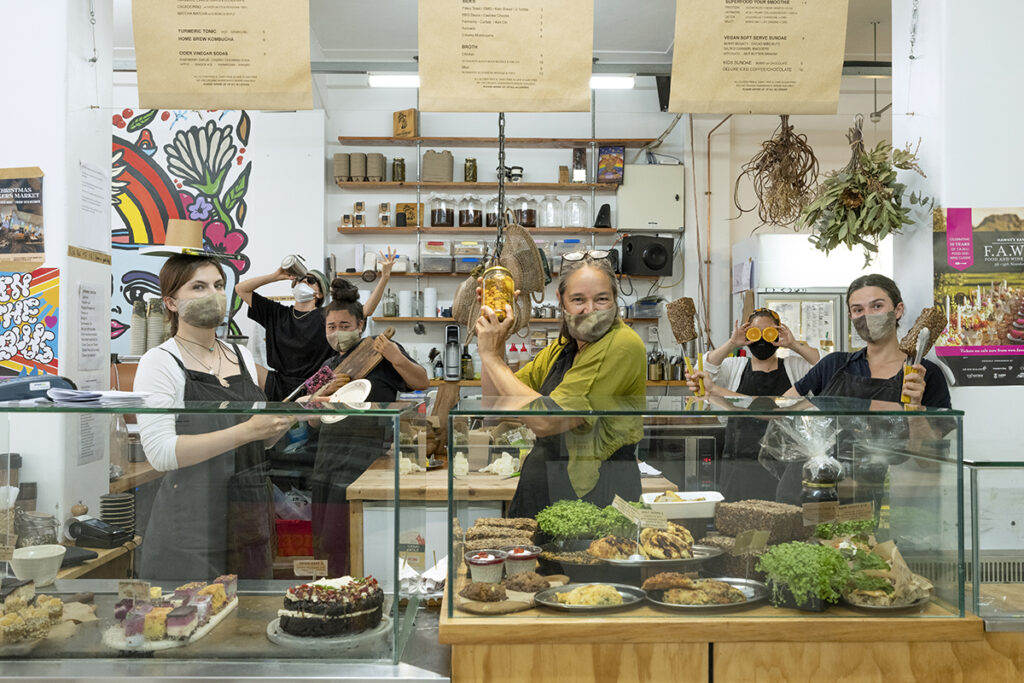
Gretta Carney, Hapī Turmeric Tonic
The Hapī collective are creative innovators of whole, healthy and healing kai. The first product is a turmeric tonic with a simple ingredient list, great storage potential and a proven track record for superb health benefits. Hapī is a kaupapa Māori producer working from within the Hua Parakore (uncontaminated product) framework which offers a point of difference and a clear story to tell.
Public Interest Journalism funded through NZ On Air.
