

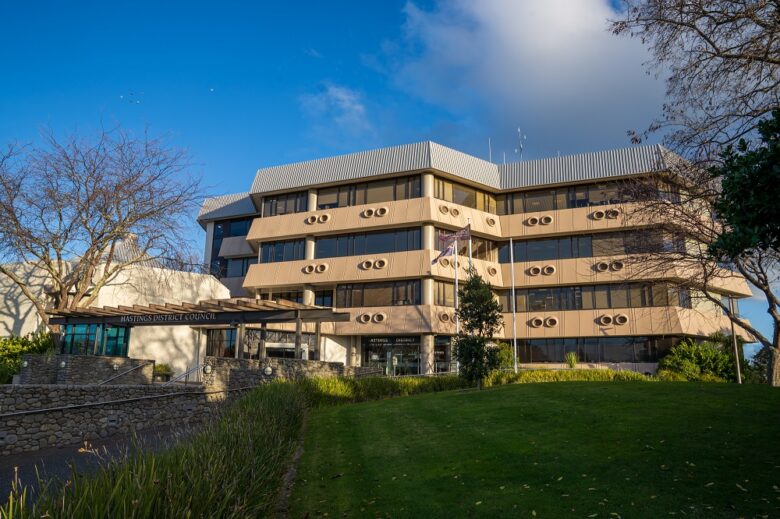
Hastings District Council’s draft budget for 2026/27 will include an average rate increase of 5.9% with every effort made to balance the budget so money for operational costs does not need to be borrowed.
The decision will mean finding $4.8 million in savings, on top of the circa $18m over the past two years and forecasted $5.9m savings in the coming year.
Doable? We shall see.
Mayor Wendy Schollum commented: “If we choose this direction today, we need to remember this moment when the harder choices come back to this table. We cannot ask for a balanced budget and then protect every service, facility or project we personally support.
“This is the hard part of governance. It is about making careful choices and being upfront about trade-offs, and doing what we can to protect both affordability and the services our community relies on.”
Council also agreed to carry out a further two weeks targeted consultation on the Annual Plan, based on the business community not having the rating impact information early enough in the process.That particularly affected commercial and industrial property owners, who had seen their land values markedly increase compared to dropping residential valuations.
Cutting to the chase, the QV rating process was stuffed up earlier in the year (not the fault of HDC). Key valuation data wasn’t available until well into the normal consultation window, with results that took many Hastings business owners by surprise.
The certified file was received on 4 May this year and uploaded to the website on 7 May, which enabled the impact to be seen by owners. By then there was just five days left of the seven-week consultation period.
“The team has received legal advice over the past week that said while it was ideal to adopt the Annual Plan and strike the rates prior to the start of the financial year, there was precedent for not doing so,” Mayor Schollum said. So a new two-week consultation will begin next week on this aspect of the rates setting.
Mayor Schollum cautioned that removing costs from one sector, in this case commercial and industrial, would see it fall onto other ratepayer groups.
“We want to hear what people from all sectors think is fair, because if we give relief to one sector, it moves to another.”

Good luck Mayor and Councillors – don’t envy you trying to make the books balance in the current climate – especially with Central Government demands hanging over your heads. At least you’re trying when the simplest decision would be to give up and let Central Government make the budget – obviously they know more about HB than the people who live here!
I just read the previous article in BB about the Hastings CBD business awards. If this council goes ahead with the indicated rates in the CBD they will be remembered for the council who destroyed our beautiful city. The fact they have stuck with the 5.9% rates increase for residential is a pretty clear indicator they are going to proceed with the massive rates increase for commercial. It’s so disgusting it’s hard to find the right words