

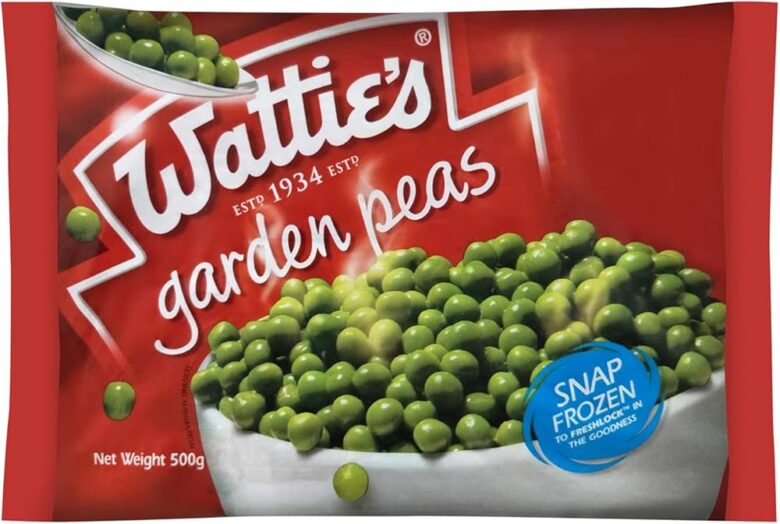
Central Hawke’s Bay and Hastings Mayors Will Foley and Wendy Schollum are thrilled that the Primary Production Select Committee will open a briefing into recent announcements by McCain and Heinz Watties to close processing plants, including in Hawke’s Bay.
The mayors say the decision provides an important opportunity to better understand the implications of the closures, which are causing serious uncertainty across the region.
The potential loss of jobs is significant, with wider impacts expected for growers, supply chains, and local communities. Hawke’s Bay is New Zealand’s largest horticulture-producing region, and in Central Hawke’s Bay alone more than 70 growers produce process vegetables such as peas, beans, carrots and sweetcorn, largely on contract to these companies.
The mayors note the obvious. The loss of local processing capacity places those operations and the viability of food production at real risk.
So yes, our region needs to understand the implications.
Because the harsh reality is that Hawke’s Bay cannot prosper by producing commodity food of any kind. Full stop. That party’s over. The world has plenty of ‘cheap’, and we – Hawke’s Bay, indeed NZ – don’t have the scale to compete with cheap.
The Canadian and US conglomerates that own McCain and Watties calculate that very clearly. So our veggie growers are the first to hit the dirt.
The Bay’s only viable food future – entirely dependent on exports, unless we prefer to retrench into a self-sufficient commune – lies in producing premium food … be that high value versions of meat, wine and even apples (and possible crops like seeds, hemp and even Paul Paynter’s persimmons).
Unfortunately, there is no such thing as a premium pea. So don’t blame our fate on the weather, loss of fertile soils, the RMA or the supermarket duopoly. We must grow higher value foods.
We examine this reality closely in an article titled Growing pains, in the forthcoming May/June BayBuzz magazine.
Mayor Schollum commented: “There are a number of factors likely influencing these decisions, and at the moment there is limited visibility of how they come together. A parliamentary process helps ensure those drivers are properly understood, and whether there are wider implications for the sector.”
That said, the mayors, the growers and rest of our community should be prepared. If the Select Committee process plows deeply enough, it will reveal some painful realities we must digest.

Makes sense to grow premium – but hasn’t that been proposed before with no result – do people/growers not want to do that or do they just want to produce bulk? I imagine cost must enter the equation – but I have no experience in this industry and must rely on the opinions of the experts/growers – what’s their long term proposals??
Unfortunately we now depend on imports so heavily that they are becoming as important as our export market.
If supply chains unravel we might need to consider the option of retrenching, at least partially, into a “self-sufficient commune” .
One way to prepare for that possibility would be to subsidise the production of just enough ‘everyday’ crops that are not to be exported. Cottage industries, in effect, to feed just our own population.
Potatoes might become more precious than gold.