

[As published in July/August 2026 BayBuzz magazine.]
WWIII has started and the fuse is lit for GFC2.
I don’t think it’s outrageous to say these things. They say you can’t see what’s coming, but you can see what’s possible today and probable in the near future. They will significantly impact our lives over the next decade
‘Cut the prophet of doom stuff,’ I hear you say, ‘I can’t do anything about these issues’. Yes you can. Small things that might make a difference. ‘Think global, act local’ is decent advice as well as illustrating the distressing decline in the use of adverbs.
WWIII these days probably won’t include storming the beaches at Normandy or Operation Barbarossa. This isn’t a ‘hot war’ of ideologies, but of economic (and military) supremacy. Since WWII the American Empire has reigned supreme; more so since the fall of the Berlin Wall. We have spent almost half a century in a unipolar world where USA calls the shots. The ‘rules based order’ that appears to be in disarray was based to a large extent on the US policing it, but not reliably policing itself.
Now China is on the rise with decisively faster growth and superior infrastructure. Conversely the US is wallowing in deficits and is the greatest debtor nation the world has ever seen. Western financial markets have enjoyed the longest bull marks in history, significantly based on money printing and fiscal largesse. Inflation has been the first of the painful consequences, but one day soon, the debt bubble will burst.
All this is the backdrop in which the world’s two great rivals will jostle for position for the next decade or two. Dirty tricks will abound. History suggests the old empire will fight hard to remain dominant, but the new empire will ultimately prevail.
This ‘war’ will involve each party both advantaging itself and disadvantaging its rival. This principle largely explains US tariffs, which primarily target China, the coup in Venezuela, and the war in Iran. On the Chinese side we have significant government support programmes for tech companies, predatory prices, restraints on trade and a very real interest in annexing Taiwan. Xi Jinping sees this as a key part of his legacy and controlling the best computer chips in the world would be an added bonus.
The key components of this conflict are food, energy, minerals and technology. NZ needs to get in the game on these things.
We’ve made a mess of energy by banning oil and gas exploration, while underinvesting in electricity generation. The private (and public) sector have been managing scarcity for profit. They talk big about renewable energy generation projects, but take a look at your power bill. Do you seriously think they want to make that number go down?
In the interim most of the initiatives to electrify our faltering industrial sector will just burn more coal. Gas is the transitional fuel of choice for all developed economies, except silly ol’ New Zealand.
Minerals are hot property right now as they drive many of the technological solutions to the world’s problems. We have gold, silver, antimony and uranium down the Buller highway and also molybdenum, coal iron sands. You’ll see great lumps of copper along the banks of the Mohaka. Despite watching our Aussie friends get rich from mining we are cautious about taking advantage of this sector. We currently produce about $3 billion in mineral sales but many operators keep a low profile.
Resources are intrinsically linked with technology and the big nations are clinging onto whatever they can. The US secured Venezuelan oil before initiating the Iran conflict. This heavy oil is exactly what their Gulf refineries were built to process. China is restricting the exports of rare earths and silver.
The mineral interconnectedness of the world is moderating the potential for conflict too. The US banned the importation of Russian uranium due to the war in Ukraine, but created an exception if they really needed it: for energy or military purposes. This has resulted in Russia being either the largest or second largest exporter of uranium to the US. NZ has a similar ‘exemption’ for banned Russian oil. We consider its origin to be the last country in which is was significantly processed. So a chunk of the fuel we get from those oil titans, South Korea and Singapore, is actually Russian.
Our food production sector is currently the shining light of our economy, but runs on energy – mostly diesel and gas. If we can’t run the tractors and can’t import fertiliser, the golden goose is a goner. The goal of countries now is to be as self-sufficient as possible.
You should work on that too, and food is a good place to start.
My father tells me there was poverty and scarcity after WWII, in the 1950’s when he was a kid. Many men didn’t come home and widows were forced to confront the hard reality of bringing up a family by themselves, on a desperately meagre income. “I don’t remember anyone going hungry,” he recounts. “At worst there was a fresh loaf of white bread and a big pot of soup.” These women had gardens, a jar of beans or pearl barley and bellies were filled.
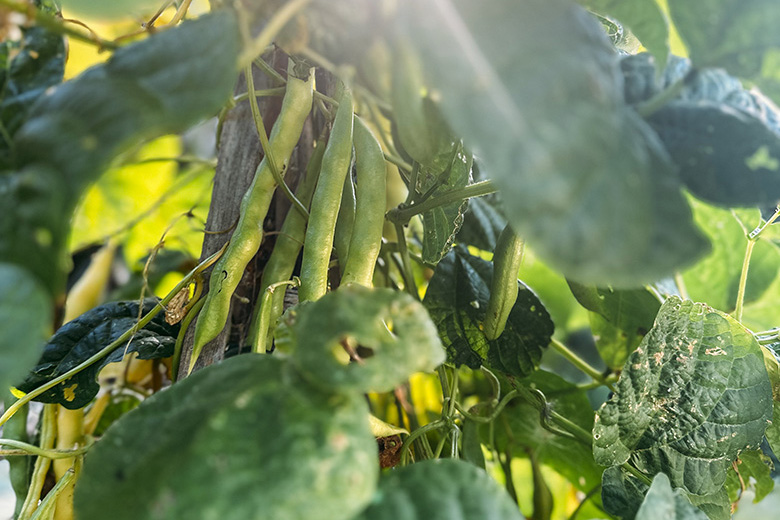
In this world of turmoil, get out there and work on that garden. There are so many good reasons beyond self-sufficiency. Two of the best things you can do for your mental health are to be in nature and to keep your hands busy. Gardening is a skill that needs to be developed and passed on to the next generation. I’ve heard so many people speak of one of their favourite childhood memories being the time they spent in the garden with one of their grandparents. It’s surprisingly demanding exercise and helps you sleep better. Perhaps most inspiring of all is the taste of a new potato that was dug from the garden an hour before consumption.
Bigger ideas could be facilitated by regional development agencies. Self-sufficiency is often the opposite of ‘think big’. What we need is decentralised energy production. If they build that dam in CHB, could the water that flows from it generate electricity? How could we harness solar power on our sheep farms. This land is often not that productive in our sun-baked summers and a bit of shade can help sustain grass growth. How can we deliver on the biomass opportunity for local industrial users?
Our future hasn’t looked this challenging for 80 years, but I’m convinced the best pathways for survival, and ultimately prosperity, are local.
Paul Paynter is our resident iconoclast and cider maker. Weather permitting, he grows stuff at Yummyfruit.
